
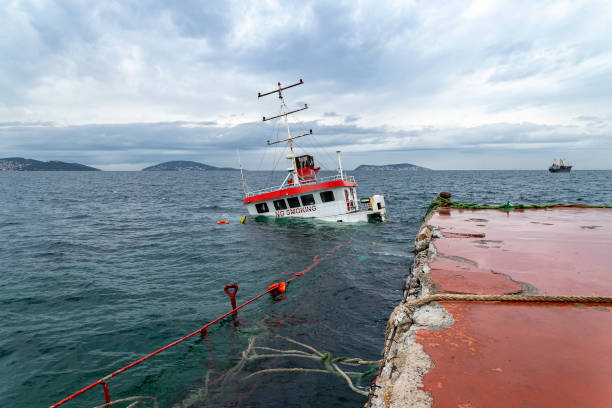
After a boat accident, insurance may help cover certain losses such as vessel damage, medical expenses, or other accident-related costs, depending on the policy and circumstances. However, insurance coverage does not automatically determine who is legally responsible for an injury. Understanding the policy, documenting the accident, and knowing when to speak with a boating accident lawyer can help protect your interests after a collision or other boating incident.
How Does Boat Insurance Work After an Accident?
Boat insurance can provide coverage for certain losses after an accident, but the exact protection depends on the policy, the type of loss, the circumstances of the accident, and applicable law.
Depending on the policy, boat insurance may address damage to the insured vessel, liability arising from an accident, certain medical expenses, or other covered losses. However, boat insurance policies can contain exclusions, limitations, deductibles, conditions, and other provisions that affect whether a particular claim is covered.
This means that receiving an insurance policy does not necessarily mean every accident-related expense will be paid.
After a boating accident, it is important to determine:
- What caused the accident
- Who was operating each vessel
- Whether anyone was injured
- What property was damaged
- Which insurance policies may apply
- What the policies actually cover
- Whether another person or company may be legally responsible
- Whether state or maritime law affects the claim
Fuquay Law Firm represents people injured in recreational boating accidents throughout Alabama and explains that boating accidents can cause serious injuries involving operators, passengers, and personal watercraft riders.
What Is the Difference Between a Boating Insurance Claim and a Legal Injury Claim?
A boating insurance claim and a personal injury claim are not necessarily the same thing.
An insurance claim is generally a request for payment or coverage under an applicable insurance policy. A personal injury claim, on the other hand, may seek compensation from a person or entity whose negligence or wrongful conduct caused the injury.
For example, imagine two boats collide because one operator fails to properly observe other vessels on the water.
The damaged boat owner may submit an insurance claim for covered property damage. At the same time, an injured passenger may have a personal injury claim against the responsible party for losses associated with the accident.
The existence of insurance does not automatically determine the amount of compensation an injured person may legally be entitled to pursue.
This distinction is particularly important when an insurance company offers a settlement soon after an accident. An injured person may still be dealing with medical treatment, lost income, or other consequences that are not fully known at that point.
What Should You Do Immediately After a Boat Accident?
The first priority after a boating accident should be everyone’s safety and medical needs.
Once immediate safety concerns have been addressed, several steps can help preserve important information for a potential insurance or legal claim.
1. Seek Medical Attention
Some boating injuries may not be immediately obvious. Falls, collisions, impacts, and other incidents can result in injuries that become more noticeable later.
Medical records can also help document the connection between the accident and the injuries being treated.
2. Report the Accident When Required
Depending on the circumstances and applicable rules, a boating accident may need to be reported to the appropriate authorities.
Fuquay Law Firm’s recreational boating information recommends reporting qualifying accidents and emphasizes documenting the incident following a boating accident.
3. Exchange Information
When it is safe to do so, obtain relevant information from the other boat operator and any witnesses.
This may include:
- Name and contact information
- Vessel information
- Insurance information
- Contact information for witnesses
- Photographs or videos of the vessels
- Information about the location of the accident
4. Document the Scene
Photographs and videos can be valuable in documenting vessel damage, visible injuries, weather conditions, water conditions, navigational markers, and the location of the accident.
Fuquay Law Firm specifically recommends documenting the accident scene because photographs and other evidence may be useful for insurance claims or potential legal proceedings.
5. Preserve Your Documents
Keep copies of medical records, bills, insurance correspondence, accident reports, photographs, repair estimates, and other relevant documents.
A well-organized record can make it easier to understand the full extent of your losses.
What Does a Boating Accident Lawyer Look for in an Insurance Claim?
A boating accident lawyer may look beyond the insurance company’s initial position and examine how the accident happened and who may be legally responsible.
This can involve reviewing:
- Accident reports
- Witness statements
- Photographs and videos
- Vessel damage
- Medical records
- Insurance policies
- Communications with insurers
- Weather conditions
- Navigation circumstances
- Operator conduct
- Available safety information
The goal is not simply to determine whether an insurance policy exists. The larger question may be whether the available insurance and legal remedies adequately address the losses caused by the accident.
For example, Fuquay Law Firm’s recreational boating practice explains that accidents may result from weather conditions, human error, improper vessel operation, or other circumstances.
What Types of Losses May Be Involved in a Boat Accident Claim?
The losses associated with a boating accident can vary significantly depending on whether the accident involves injuries, property damage, or both.
Medical Expenses
An injured person may face emergency treatment, hospitalization, follow-up appointments, medication, rehabilitation, or other medical costs.
Lost Wages
A serious injury can prevent someone from working temporarily or, in some situations, affect their ability to work in the future.
Property Damage
A collision can damage a boat, personal watercraft, equipment, or other personal property.
Boat insurance may potentially address certain covered property losses, depending on the policy and circumstances.
Pain and Suffering
A personal injury claim may potentially involve damages for physical pain and emotional consequences associated with an injury.
The availability and amount of compensation depend on the facts of the individual claim and applicable law.
Fuquay Law Firm’s boating accident information identifies medical expenses, lost wages, property damage, and pain and suffering among potential areas of compensation following a recreational boating accident.
Can an Insurance Company Deny a Boating Insurance Claim?
Yes. An insurer may dispute whether a particular loss is covered or whether policy conditions have been satisfied.
A disagreement may involve questions such as:
- Whether the accident falls within the policy’s coverage
- Whether an exclusion applies
- Whether the reported damage is related to the accident
- Whether required documentation has been provided
- Whether the policy limits are sufficient
- Whether another insurance policy may apply
- Whether the accident involved circumstances addressed differently under the policy
A denial does not necessarily mean that no legal options exist.
The insurance policy should be reviewed carefully, along with the circumstances of the accident and the losses being claimed.
What Should You Know Before Accepting a Boat Accident Settlement?
An early settlement offer may seem attractive, particularly when medical bills or property repair costs are accumulating.
However, an injured person should understand what the proposed settlement is intended to resolve before accepting it.
Consider whether you know:
- The full extent of your injuries
- Whether additional medical treatment may be necessary
- How much income you may lose
- The total property damage
- Whether other parties may be responsible
- Whether the settlement releases future claims
- What expenses are included in the proposed payment
Once a settlement agreement is accepted and a release is signed, it may affect your ability to pursue additional compensation.
This is one reason it can be useful to speak with a boating accident lawyer before agreeing to a settlement involving significant injuries or losses.
Does Maritime Law Apply to a Boat Accident?
It can, depending on the circumstances.
Boating accidents can occur in different locations and involve different types of vessels and activities. The applicable legal framework may depend on factors such as where the accident occurred, whether the waterway is navigable, the type of vessel involved, and the nature of the accident.
Fuquay Law Firm explains that maritime law can govern activities on navigable waters and that recreational boating accidents may involve maritime legal considerations.
This distinction matters because a recreational boating accident is not necessarily analyzed in exactly the same way as an injury involving a commercial maritime worker.
If the accident involves a commercial vessel, seaman, offshore worker, or another maritime worker, additional federal maritime laws may potentially apply.
For broader information about the firm’s maritime practice, see the Admiralty & Maritime Injury Law service page.
How Can a Boating Accident Lawyer Help With Insurance Issues?
A boating accident lawyer can help evaluate the circumstances surrounding an accident and determine what legal options may be available.
Depending on the situation, this may involve:
- Reviewing insurance coverage
- Investigating the cause of the accident
- Identifying potentially responsible parties
- Reviewing medical documentation
- Evaluating property damage
- Communicating with insurance companies
- Assessing potential compensation
- Pursuing a legal claim when appropriate
Fuquay Law Firm represents people injured in recreational boating accidents and states that its practice serves injured boaters throughout Alabama.
You can learn more about the firm’s recreational boating accident representation before deciding what steps to take.
What Evidence Can Strengthen a Boating Insurance Claim?
Strong documentation can help establish what happened and the losses that resulted.
Useful evidence may include:
- Photos of the accident scene
- Photos of vessel damage
- Photos of visible injuries
- Medical records
- Medical bills
- Repair estimates
- Insurance documents
- Accident reports
- Witness contact information
- Vessel registration information
- Weather information
- Communications with the insurance company
It is also useful to keep a timeline of medical treatment and other expenses connected to the accident.
The more clearly the evidence establishes the connection between the accident and the claimed losses, the easier it may be to evaluate the insurance and legal issues involved.
What If the Other Boater Was Uninsured?
An accident involving an uninsured or underinsured boater can create additional complications.
Whether compensation may be available through your own insurance policy depends on the specific coverage you purchased and the circumstances of the accident.
You may also need to consider whether another party could be legally responsible for the accident.
Because insurance policies differ, do not assume that an uninsured or underinsured accident automatically means there is no possible source of recovery. Reviewing the applicable policy and accident circumstances can help identify potential options.
What If the Boat Accident Caused Serious Injuries?
Serious injuries can make an insurance claim substantially more complicated because the financial impact may extend well beyond an initial medical bill.
For example, a severe injury may result in:
- Emergency medical treatment
- Surgery
- Rehabilitation
- Continuing medical care
- Lost income
- Reduced ability to work
- Permanent limitations
- Emotional distress
- Long-term changes to daily life
A settlement that only addresses immediate expenses may not necessarily account for the full consequences of a serious injury.
If another person’s negligence caused the accident, an injured person may have a legal claim separate from the insurance claim itself.
What Is the Difference Between a Boat Damage Claim and an Injury Claim?
A boat damage claim generally focuses on damage to the vessel or other covered property.
An injury claim focuses on losses suffered by an injured person.
These claims can arise from the same accident but involve different evidence and legal considerations.
For example, after a collision between two boats:
- The vessel owner may pursue compensation for covered repair costs.
- An injured passenger may pursue compensation associated with medical expenses and other injury-related losses.
- Another party may potentially have a separate claim depending on the circumstances.
This is why it is important to identify all losses following an accident rather than treating the incident solely as a property-damage matter.
How Can a Boating Accident Lawyer Help After a Boat Accident?
Insurance companies have procedures for evaluating claims, but their assessment does not necessarily resolve every legal question arising from an accident.
A boating accident lawyer can review the circumstances of the collision or other incident, investigate potential negligence, examine available insurance coverage, and evaluate whether additional legal claims may be available.
Fuquay Law Firm has more than 30 years of experience representing injured people and identifies recreational boating accidents as one of its practice areas. The firm also represents clients in maritime injury matters and has handled boating injury cases in Alabama and other Gulf Coast locations.
For information about other maritime-related claims, readers can also review Fuquay Law Firm’s maritime injury law resources.
What Should You Do After a Boating Accident?
A boat accident can create both immediate and long-term financial consequences. Insurance may help address some losses, but an insurance claim is not necessarily the same as a personal injury claim.
If you were injured because another boater acted negligently, or if you are dealing with significant medical expenses, lost wages, property damage, or an insurance dispute, understanding your legal options can be important.
Fuquay Law Firm represents injured boaters and handles recreational boating accident cases throughout Alabama. The firm’s attorneys also handle broader maritime injury matters involving accidents on the water.
If you need to discuss your situation, you can contact us for a free case review.
You can also visit the firm’s Google Business Profile for additional business information.
Frequently Asked Questions
1. Does boat insurance cover injuries after an accident?
It depends on the specific insurance policy and circumstances. Some policies may provide certain liability or medical-related coverage, while other losses may need to be addressed through a separate legal claim. The policy terms should be reviewed before assuming what is or is not covered.
2. What should I do if the other boater caused the accident?
Prioritize safety and medical treatment, report the accident when required, exchange information, document the scene, and preserve relevant evidence. If you suffered significant injuries or losses, consider speaking with a boating accident lawyer before accepting an insurance settlement.
3. Can I file an insurance claim and a personal injury claim?
Potentially, yes. An insurance claim and a personal injury claim can involve different legal issues. The availability of a personal injury claim depends on the circumstances of the accident and applicable law.
4. What information should I collect after a boat accident?
When safe and appropriate, collect the other operator’s contact and insurance information, vessel information, witness details, photographs, videos, accident reports, and medical documentation. Fuquay Law Firm also recommends documenting the scene and preserving evidence following a boating accident.
5. Can an insurance company deny my boat accident claim?
Yes. An insurer may dispute coverage, apply a policy exclusion, question the circumstances of the accident, or challenge the amount of the claimed loss. A denial should be reviewed in light of the policy language and the facts of the accident.
6. Should I accept the insurance company’s first settlement offer?
Not necessarily. Before accepting a settlement, consider whether you understand the full extent of your injuries, future medical needs, lost income, property damage, and any release you may be signing. For a serious injury, speaking with a boating accident lawyer before accepting a settlement may help you understand your options.
7. Does maritime law apply to every boat accident?
No. The applicable law depends on the circumstances, including the location, waterway, type of vessel, and nature of the accident. Recreational boating accidents may involve maritime legal principles, while accidents involving commercial maritime workers can raise additional federal maritime-law issues.
