
Alabama Ship Repair Worker Injury Attorneys
The Mobile River and the Alabama Gulf Coast serve as one of the nation’s most vital hubs for maritime commerce and defense. From the massive dry docks at the Alabama Shipyard to the bustling activity at BAE Systems and Austal USA, thousands of skilled tradespeople report to work every day to keep America’s commercial and naval fleets seaworthy.
Ship repair is distinct from shipbuilding. It involves taking an existing vessel often one that has seen years of wear, tear, and corrosion and bringing it back to standard. This work is heavy, hot, and inherently hazardous. Workers welding in confined spaces, sandblasting hulls in dry docks, and replacing heavy machinery on floating vessels face risks that few other industries can match.
The Legal Framework: LHWCA vs. State Workers’ Compensation
Most workers in Alabama are covered by the state’s workers’ compensation system. Ship repair workers, however, fall under a different jurisdiction. Because your work takes place on navigable waters, dry docks, or adjoining piers, you are likely covered by the Longshore and Harbor Workers’ Compensation Act (LHWCA).
This federal system is generally more generous than state compensation, but it is also more complex. To qualify, you must satisfy two specific requirements regarding where you work and what you do.
The Situs Test (Location)
Your injury must occur on navigable waters or an adjoining area used for loading, unloading, repairing, or building a vessel. In Mobile, this includes:
- Graving docks and floating dry docks.
- Piers, wharves, and terminals.
- Marine railways.
- Building ways.
Common Accidents at the Port of Mobile and Other Alabama Terminals
Given the high-risk environment, accidents at Alabama’s marine terminals are unfortunately common. These incidents are rarely minor and often stem from negligence on the part of a vessel owner, another contractor, or an equipment manufacturer.
Common types of accidents include:
- Crane and Heavy Equipment Accidents: This can involve a crane collapse, a dropped load, or a worker being struck by a moving crane or straddle carrier.
- Container-Related Incidents: A “stack attack” where a container is dropped or knocked from a stack, containers shifting during transport, or improperly secured cargo falling out when doors are opened.
- Forklift and “Hustler” Accidents: Workers being run over by forklifts with poor visibility, forklifts overturning, or collisions between hustlers and pedestrians.
- Slip, Trip, and Fall Hazards: Falls from height on a vessel, trips over loose gear or mooring lines on the dock, and slips on oil, grease, or other hazardous substances.
- Vessel Loading and Unloading Accidents: Gangway collapses, falls into open cargo holds, or is struck by swinging cargo during lifting operations.
- Chassis and Equipment Failures: Injuries caused by defective chassis, brakes, or tires, or malfunctions in lashing equipment and other gear.
- Toxic Exposure: Illness or injury from inhaling toxic fumes from a leaking container or working in a poorly ventilated ship’s hold.
The Status Test (Employment)
You must be engaged in “maritime employment.” For ship repair, this covers almost every trade involved in the process, including:
- Welders and shipfitters.
- Sandblasters and painters.
- Electricians and mechanics.
- Cleaners and tank scalers.
- Quality assurance inspectors.
If you meet these criteria, your medical bills and a portion of your lost wages are covered by the LHWCA, regardless of who was at fault for the accident.
Common Hazards in Alabama Ship Repair Operations
Ship repair is often more dangerous than new construction. In new construction, the environment is controlled, and the materials are new. In repair work, you are dealing with old vessels that may contain hidden hazards, weakened structures, or toxic materials left over from previous voyages.
We frequently see injuries resulting from the specific conditions found in Mobile’s shipyards:
Confined Space Entry
Repair workers often must crawl into double bottoms, ballast tanks, and void spaces to perform hot work or inspections. These areas can be oxygen-deficient or contain trapped explosive gases. A failure to properly test the atmosphere or provide ventilation can lead to asphyxiation or explosions.
Hot Work Accidents
Welding, cutting, and burning are constant activities in ship repair. Sparks can ignite flammable coatings, insulation, or nearby fuel sources. “Hot work” permits are strict for a reason; when protocols are ignored, fires spread rapidly through the metal compartments of a ship.
Falls from Heights
Repairing a ship often requires working on scaffolding, man-lifts, or open decks high above the dry dock floor. A fall from a ship’s superstructure to the concrete of a graving dock is almost always fatal or permanently disabling.
Heavy Machinery and Rigging Failures
Moving massive engine parts, propellers, or hull sections requires cranes and complex rigging. If a cable snaps or a load shifts, workers below have little time to react.
Electrical Shock
Ships run on high-voltage systems. During repair, these systems may be energized or de-energized unpredictably. Temporary lighting and power cables running through wet environments increase the risk of electrocution.
Toxic Exposure Risks in Ship Breaking and Repair
Unlike building a new ship with clean steel, repairing older vessels involves disturbing materials that have been in place for decades. Workers in Alabama shipyards are frequently exposed to hazardous substances that can cause immediate respiratory distress or long-term occupational diseases.
Asbestos Exposure
Many older vessels still contain asbestos in insulation, gaskets, and lagging. When these materials are ripped out during a refit, fibers become airborne. Long-term exposure can lead to mesothelioma, asbestosis, and lung cancer.
Heavy Metals and Welding Fumes
Cutting and welding on painted surfaces releases toxic fumes containing lead, cadmium, and hexavalent chromium. Without proper respiratory protection and ventilation, these fumes cause neurological damage and respiratory cancers.
Solvents and Paints
Marine coatings are chemically aggressive to withstand saltwater. The solvents used to strip and re-apply these coatings contain volatile organic compounds (VOCs) that can damage the liver, kidneys, and central nervous system.
Third-Party Negligence Claims in Ship Repair
Under the LHWCA, you typically cannot sue your direct employer for negligence. You receive benefits in exchange for giving up that right. However, shipyards are multi-employer worksites. You may be working alongside crews from other companies, outside contractors, and the vessel’s original crew.
If your injury was caused by someone other than your direct employer, you may file a third-party lawsuit. This allows you to recover damages that the LHWCA does not cover, such as pain and suffering.
Section 905(b) Claims Against Vessel Owners
One of the most distinct legal avenues for ship repair workers is a claim under Section 905(b) of the LHWCA. This section permits you to sue the owner of the vessel you are repairing if their negligence caused your injury.
Vessel owners owe specific duties to repair workers:
- The Turnover Duty: They must turn the ship over to the shipyard in a condition that allows experienced workers to carry out repairs safely. They must warn of any hidden dangers they know about.
- The Active Control Duty: If the vessel’s crew remains on board and actively directs the work or controls a specific area (like the engine room), they must exercise reasonable care to prevent injuries.
- The Duty to Intervene: If the vessel crew sees that the shipyard workers are doing something obviously dangerous and that the shipyard is not taking steps to correct it, the vessel owner may have a duty to step in.
Product Liability
If a piece of equipment such as a grinder, a crane, or a scaffold fails due to a design or manufacturing defect, the manufacturer of that product can be held liable.
Subcontractor Negligence
If you work for the prime contractor but are injured by a forklift driver employed by a different subcontractor, you can sue that subcontractor for negligence.
Damages Recoverable for Shipyard Injuries
The compensation available to you depends on whether you are collecting LHWCA benefits, pursuing a third-party claim, or both.
LHWCA Benefits (No-Fault)
- Medical Expenses: 100% of reasonable and necessary medical costs related to the injury.
- Temporary Total Disability (TTD): Two-thirds of your average weekly wage while you are recovering and cannot work.
- Permanent Partial Disability (PPD): Compensation for lasting impairment to specific body parts (scheduled awards) or wage-earning capacity (unscheduled awards).
- Vocational Rehabilitation: Training for a new career if you cannot return to ship repair.
Third-Party Lawsuit Damages (Fault-Based)
- Full Lost Wages: Recovery of the full income lost, not just the two-thirds provided by workers’ comp.
- Loss of Future Earning Capacity: Damages for the money you would have earned over your career had the injury not occurred.
- Pain and Suffering: Financial compensation for physical pain and emotional distress.
- Loss of Enjoyment of Life: Damages for the inability to engage in hobbies and family activities.
- Loss of Consortium: Compensation for the impact the injury has on your relationship with your spouse.
Steps to Take After a Shipyard Accident
The moments immediately following an accident are vital for your health and your legal case. Shipyard environments are chaotic, and evidence can disappear quickly as work continues.
Report the Injury Immediately
Notify your supervisor or foreman right away. The LHWCA requires notice of the injury to be given to the employer within 30 days, but you should not wait that long. Ensure an accident report is filed and ask for a copy.
Seek Medical Attention
Under the LHWCA, you have the right to choose your own treating physician. Your employer may attempt to steer you toward a company doctor. While you must submit to an examination by their doctor if requested, you are not required to treat with them. Select a doctor who is independent and focuses on your recovery.
Document the Scene
If you can, take photos of the area where you were hurt. Photograph the equipment involved, the lack of guardrails, or the poor lighting. Get the names and contact information of any witnesses, including workers from other companies who saw what happened.
Do Not Sign Releases
Insurance adjusters for the vessel owner or the shipyard may approach you quickly. They may offer a quick settlement or ask you to sign a statement. Do not sign anything or give a recorded statement until you have spoken with an attorney. You might inadvertently waive your right to a third-party claim.
How Fuquay Law Firm Assists Injured Workers
Ship repair cases involve a dense intersection of federal regulations, maritime traditions, and industrial safety standards. Determining whether you have a 905(b) claim against a vessel owner or a standard LHWCA claim requires a deep knowledge of maritime law. At Fuquay Law Firm, we focus on protecting the rights of the workforce that keeps the Port of Mobile operational. We investigate the chain of events that led to your injury, identify all liable parties from vessel owners to equipment manufacturers and fight to ensure you receive the maximum compensation available under the law. We are familiar with the specific operations of the major shipyards along the Gulf Coast and the tactics insurers use to minimize payouts.
If you have been injured while repairing a vessel, contact us today at (251) 473-4443 for a consultation. We will review the facts of your accident, explain your options under the LHWCA and general maritime law, and help you chart a course toward recovery.
Frequently Asked Questions (FAQs)
What is the difference between the Jones Act and the LHWCA?
The Jones Act covers “seamen,” which are crew members who spend a significant amount of time at sea on a vessel in navigation. The LHWCA covers land-based maritime workers, including ship repairers, longshoremen, and harbor workers who work on or near the water but do not go to sea as crew.
Can I sue the shipyard if I am an employee?
Generally, no. If you are directly employed by the shipyard, your exclusive remedy against them is usually the LHWCA benefits. However, if your injury was caused by a third party—like a vessel owner, a different subcontractor, or a defective product—you can file a lawsuit against that party while still receiving your comp benefits.
Does the LHWCA cover me if I was injured in the parking lot?
It depends. The LHWCA has a “situs” requirement. The injury must occur on navigable waters or an adjoining area customarily used for maritime work. While docks and repair shops are covered, administrative offices and parking lots may or may not be, depending on their location and function. An attorney can help determine if your specific location qualifies.
How long do I have to file a claim?
You should report the injury to your employer within 30 days. For filing a formal claim for benefits with the Department of Labor, you generally have one year from the date of injury. If your employer has been paying benefits voluntarily, you have one year from the date of the last payment.
Can I get compensation for hearing loss?
Yes. Hearing loss is a common injury in ship repair due to the high noise levels of chipping, grinding, and needle-gunning. The LHWCA provides specific benefits for binaural (both ears) hearing loss if it is work-related. You will need an audiogram and medical evidence linking the loss to your employment.
Practice Areas
Our attorneys are here to help you recover the compensation you need and deserve.
Have you been injured on any of these vessels?

Tug Boats
Injuries on tugboats can occur due to hazardous towing operations, equipment failure, or negligence. Our experienced lawyers help you seek compensation for injuries sustained in these high-risk environments.

Tow Boats
Tow boats are used in towing large vessels. Injuries may occur during bad weather or equipment failure. We handle injury claims related to accidents involving tow boats, ensuring you get the compensation you deserve.
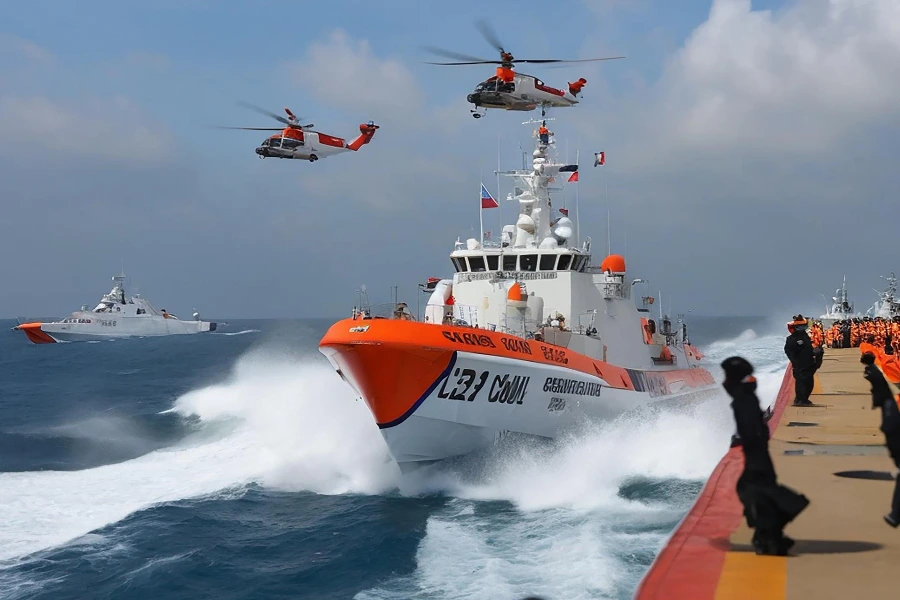
Crewboats
Crewboats transport personnel to offshore platforms. Injuries often happen due to rough seas, equipment malfunctions, or poor safety standards. Our legal team will guide you through your injury claim process.

OSVs (Offshore Support Vessels)
Offshore Support Vessels are vital to offshore operations. Injuries can occur due to poor maintenance or hazardous working conditions. We represent injured workers in seeking compensation for these injuries.

Offshore Supply Vessels
These vessels transport supplies to offshore rigs. Injury risks include equipment accidents, falls, and rough sea conditions. We fight for injured crew members to secure fair compensation.
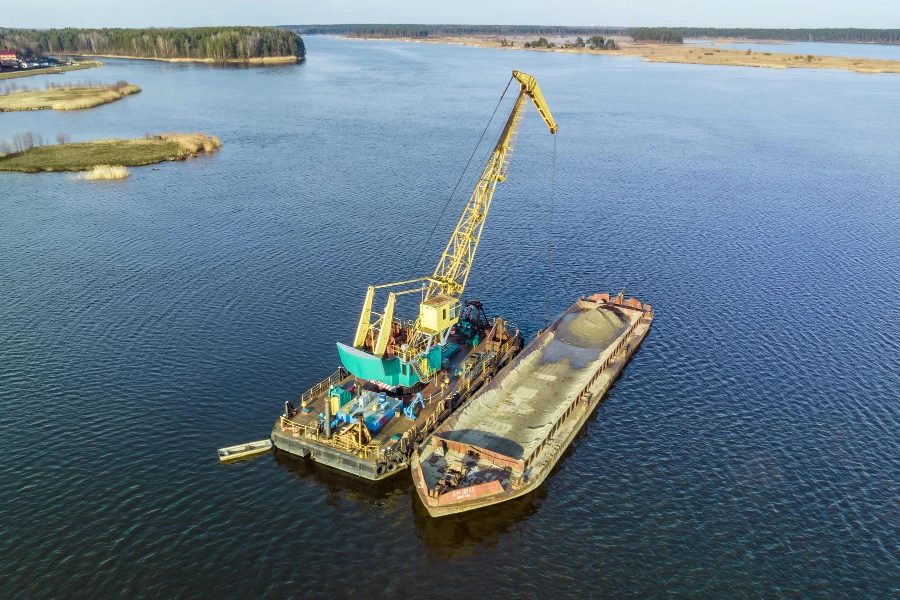
Dredge
Dredging vessels operate in dangerous conditions, with workers facing injuries from falling debris or machinery malfunctions. We offer legal assistance to help you recover compensation for dredge-related accidents.

Dredge Tender
Dredge tenders support dredging operations. Injuries can result from unsafe navigation or improper loading. Our lawyers are ready to help you with your injury claims related to dredge tenders.

Anchor Handling Tug
Handling anchors in rough seas can lead to accidents and injuries. If you’ve been hurt aboard an anchor handling tug, our attorneys will help you seek justice and fair compensation.

Lift Boats
Lift boats are used to transport workers and equipment. Injuries on lift boats may result from lifting operations or falls. Our legal team specializes in lift boat injury claims, ensuring you get the compensation you deserve.

Fracture/Stimulation OSV
Injury risks on Fracture/Stimulation OSVs include high-pressure systems and equipment failure. We help injured workers on these specialized vessels file successful compensation claims.

Utility Vessel
Utility vessels serve offshore platforms, and accidents can happen due to poor maintenance or rough seas. We offer expert legal representation to injured crew members seeking fair compensation.
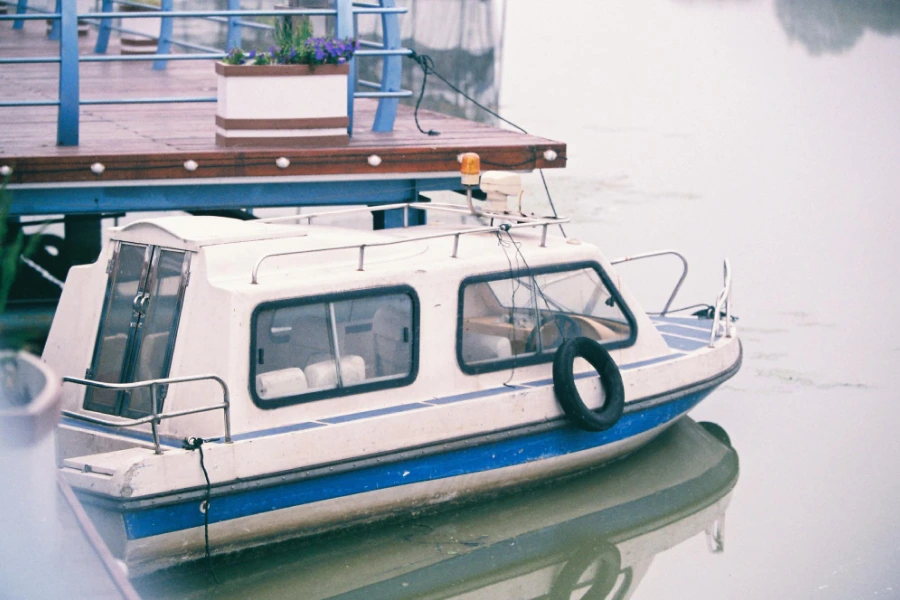
Standby Vessel
Standby vessels are crucial for emergency operations. Injuries during rescues or rough sea conditions are common. Our attorneys are committed to ensuring injured workers on standby vessels are fully compensated.

Merchant Ships
Injuries on merchant ships can result from hazardous conditions, poor crew training, or improper maintenance. If you've been injured aboard a merchant vessel, we’ll fight to protect your rights and pursue compensation.

Harbor Tugs
Harbor tugs operate in busy ports, where accidents can occur during docking or undocking. Our lawyers specialize in harbor tug injury cases and work to get you the compensation you deserve.
associates