
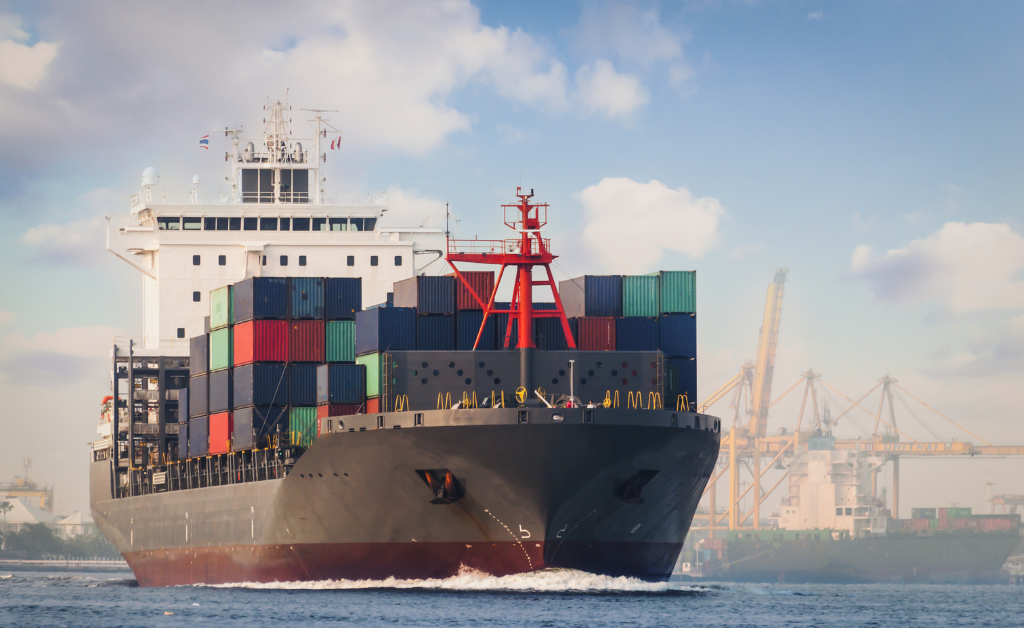
The life of a seaman often involves working in demanding and sometimes perilous conditions. Among the most serious threats maritime workers face is exposure to hazardous cargo. From noxious fumes to corrosive chemicals, these substances can cause severe and lasting injuries, often far from the immediate reach of advanced medical care. When such an incident occurs, the unique body of federal law known as admiralty law steps in to provide a framework for a seaman’s protection and potential compensation.
Unlike land-based occupations, where workers’ compensation systems typically govern workplace injuries, maritime employment falls under a distinct set of federal statutes and doctrines. These laws recognize the unique risks inherent in working at sea and aim to provide specific remedies for injured mariners.
What Are Common Hazardous Cargo Exposures for Seamen?
Vessels transport a vast array of materials, many of which pose significant health risks if not handled correctly or if accidents occur. Seamen can be exposed to these dangers through various incidents, often leading to acute or chronic health issues.
- Chemical Spills and Leaks: Tankers carry liquid bulk cargo like petroleum products, acids, and other industrial chemicals. Leaks from cargo tanks, pipes, or valves, or spills during loading and unloading, can lead to direct skin contact, inhalation of vapors, or ingestion, causing chemical burns, respiratory damage, or systemic poisoning.
- Gas and Vapor Inhalation: Certain cargoes, even seemingly benign ones, can off-gas toxic fumes or displace oxygen in confined spaces. Exposure to hydrogen sulfide, benzene, ammonia, or other hazardous gases, especially in cargo holds, tanks, or poorly ventilated areas, can cause immediate collapse, organ damage, or long-term respiratory and neurological problems.
- Asbestos Exposure: While its use has been significantly reduced, many older vessels still contain asbestos in insulation, piping, and other structural components. Disturbing these materials during maintenance or repair can release microscopic fibers, leading to severe lung diseases like asbestosis, mesothelioma, and lung cancer years or even decades later.
- Oil and Fuel Exposure: Beyond the risk of fire and explosion, prolonged skin contact with crude oil, bunker fuel, or other petroleum products can cause severe dermatitis, chemical burns, and contribute to other health issues.
- Cargo Dust and Particulates: Bulk carriers transport a variety of dusty cargoes, such as coal, grains, or mineral ores. Without proper ventilation and personal protective equipment, seamen can inhale fine particulates, leading to respiratory problems, allergies, or other lung conditions.
- Biohazards: Vessels transporting certain agricultural products or waste materials might expose crew members to bacteria, viruses, or fungi, leading to infectious diseases.
These exposures are rarely “simple” accidents. They often stem from failures in safety protocols, inadequate equipment, improper training, or a lack of adherence to international maritime regulations concerning hazardous materials.
The Doctrine of Maintenance and Cure: Immediate Support After Exposure
When a seaman suffers an injury or illness while in the service of a vessel, one of their most fundamental rights under admiralty law is to “maintenance and cure.” This is a no-fault benefit that the vessel owner or employer must provide. It is a vital lifeline, especially when dealing with the immediate aftermath of hazardous cargo exposure.
“Cure” Explained: This refers to the employer’s obligation to cover all reasonable and necessary medical expenses related to the injury or illness. For a seaman exposed to hazardous cargo, this includes:
- Emergency medical treatment and hospitalization.
- Specialized diagnostic tests, such as pulmonary function tests or toxicology screenings.
- Long-term treatments for respiratory issues, skin conditions, or organ damage.
- Medications, physical therapy, and psychological counseling related to the trauma.
The employer’s obligation for “cure” continues until the seaman reaches Maximum Medical Improvement (MMI). This is the point where a doctor determines that further medical treatment will not improve the seaman’s condition.
“Maintenance” Explained: This is a daily stipend provided to the injured or ill seaman to cover basic living expenses, such as food and lodging, while they are recovering ashore. It replaces the room and board the seaman would have received while on the vessel. The amount of maintenance should be reasonable and reflect the actual costs of living in the seaman’s locality.
An important aspect of maintenance and cure is that these benefits are owed irrespective of whether the employer was at fault. The seaman only needs to show that the injury or illness occurred or was aggravated while in the service of the ship. However, disputes over these benefits are common. Employers may attempt to terminate benefits prematurely or pay an insufficient rate for maintenance. If an employer unreasonably denies or delays these benefits, they can face additional liabilities.
Proving Negligence Under the Jones Act
While maintenance and cure address immediate medical needs and living expenses, they do not provide compensation for all losses stemming from a hazardous cargo exposure. To recover damages such as pain and suffering, disfigurement, or lost future earning capacity, an injured seaman typically pursues a claim under the Jones Act.
The Jones Act is a federal law that allows a seaman to sue their employer for injuries caused, even in the smallest part, by the employer’s negligence. This “featherweight” causation standard is more favorable to injured seamen than the causation standards in many land-based personal injury cases. Negligence can be attributed to the vessel owner, the captain, or even a fellow crew member.
Examples of employer negligence that could lead to a hazardous cargo exposure claim include:
- Failing to provide a safe working environment: This might involve allowing cargo to be improperly stored, failing to address known ventilation issues, or not implementing proper hazardous material handling procedures.
- Providing defective or poorly maintained equipment: A faulty valve on a chemical line, a corroded cargo tank, or a malfunctioning ventilation system can directly lead to exposure.
- Failing to provide adequate training: Seamen must be properly trained in handling hazardous materials, emergency response protocols for spills, and the correct use of personal protective equipment (PPE).
- Not supplying proper personal protective equipment (PPE): This includes providing insufficient respirators, chemical-resistant suits, gloves, or eye protection, or failing to ensure that crew members use them.
- Understaffing the vessel: An insufficient crew can lead to fatigue and rushed procedures, increasing the likelihood of accidents involving hazardous cargo.
- Issuing negligent orders: Ordering a seaman to work in an unventilated space without proper gear, or to rush a hazardous transfer operation, can constitute negligence.
Gathering the necessary evidence to prove negligence can be challenging, as the employer controls the vessel, its records, and often the potential witnesses. Prompt investigation and preservation of evidence are important steps.
The Unseaworthiness Doctrine: A Strict Duty to Safety
Separate from a negligence claim under the Jones Act, an injured seaman may also have a claim based on the doctrine of “unseaworthiness.” This ancient maritime principle imposes an absolute and non-delegable duty upon the vessel owner to provide a vessel, crew, and equipment that are reasonably fit for their intended purpose.
Unseaworthiness is a form of strict liability. This means that if an unseaworthy condition causes or contributes to a seaman’s injury, the vessel owner is liable for damages even if they were not negligent or did not know about the hazardous condition. The focus is solely on the condition of the vessel or its components, not on the owner’s conduct. The injured seaman only needs to prove that an unseaworthy condition existed and that this condition was a cause of their hazardous cargo exposure.
Conditions that can render a vessel unseaworthy in the context of hazardous cargo exposure include:
- Defective Cargo Handling Equipment: Malfunctioning pumps, hoses, or valves used for hazardous liquids, or cranes that fail during bulk cargo operations, can lead to spills and exposure.
- Lack of Proper Safety Gear: An insufficient supply of appropriate respirators, chemical suits, or emergency showers and eyewash stations renders a vessel unfit for transporting or handling hazardous materials.
- Improper Design or Maintenance of Ventilation Systems: If a vessel’s ventilation system is inadequate or poorly maintained, allowing hazardous fumes to accumulate in work or living spaces, it can be considered unseaworthy.
- Incompetent or Inadequately Trained Crew: If a crew member’s lack of training in hazardous material response, or their incompetence in operating cargo systems, leads to an exposure incident, the vessel could be considered unseaworthy due to an unfit crew.
- Unsafe Work Policies or Procedures: If standard practice on the ship involves bypassing safety procedures for hazardous cargo operations, such as failing to conduct pre-transfer safety meetings or adhere to lockout/tagout protocols, this can create an unseaworthy condition.
Proving unseaworthiness often involves a detailed examination of the vessel’s design, maintenance records, operational procedures, and the specific circumstances of the exposure incident.
Damages Available in a Maritime Hazardous Cargo Claim
Exposure to hazardous cargo can lead to severe and chronic health problems, impacting a seaman’s life in numerous ways. A successful maritime injury claim under the Jones Act or the unseaworthiness doctrine aims to provide comprehensive compensation that addresses the full scope of the harm.
Recoverable damages can include:
- Past and Future Medical Expenses: This encompasses all costs related to the exposure, including emergency care, long-term specialized treatments, medications, rehabilitation, and assistive devices. This can be extensive for conditions like chronic respiratory illness, organ damage, or cancer linked to exposure.
- Lost Wages: Compensation for all income lost from the time of the injury until the seaman can return to work, if ever.
- Loss of Future Earning Capacity: If the exposure results in a permanent disability that prevents the seaman from returning to their maritime career or diminishes their ability to earn a living in other fields, damages can be awarded for this long-term financial impact.
- Pain, Suffering, and Mental Anguish: This compensates for the intense physical pain caused by the exposure and its treatments, as well as the emotional and psychological trauma, fear, anxiety, and depression that often accompany such severe injuries.
- Disfigurement and Scarring: Chemical burns or the effects of certain exposures can leave permanent physical disfigurement, leading to both physical and emotional distress.
- Loss of Enjoyment of Life: Compensation for the diminished ability to participate in activities, hobbies, and social interactions that were once part of the seaman’s life.
The Significance of Preserving Evidence After Exposure
In cases involving hazardous cargo exposure, critical evidence can be compromised or lost rapidly. Taking prompt action to document the incident and its aftermath is very important. Important evidence in a hazardous cargo exposure case may include:
- Photographs and Videos: Capturing images of the accident scene, any leaking equipment, improper storage of hazardous materials, inadequate PPE, and the physical injuries themselves provides powerful visual documentation.
- Witness Statements: Obtaining contact information and detailed statements from fellow crew members, or anyone else who observed the exposure or the conditions leading up to it, is essential.
- Vessel Logs and Records: The ship’s official logbook, maintenance logs, safety meeting reports, cargo manifests, material safety data sheets (MSDS), and records of hazardous waste disposal can all contain key information about the vessel’s condition, the cargo on board, and the events leading to the exposure.
- Medical Records: Comprehensive medical documentation of diagnosis, treatment, and prognosis is vital to connect the exposure to the resulting health issues.
- Personal Notes: The injured seaman should write down everything they recall about the incident as soon as possible, including specific details of the exposure, conversations with supervisors, and the actions taken (or not taken) by the crew and vessel management.
- Preservation of Samples: If possible and safe, steps should be taken to preserve samples of the hazardous substance, or to ensure that faulty equipment or parts are not discarded or altered before they can be inspected by qualified professionals.
Protecting Your Rights After Hazardous Cargo Exposure
Life at sea carries inherent risks, and exposure to hazardous cargo is among the most severe. The physical, emotional, and financial burdens that follow such an incident can be overwhelming. If you or a loved one has been harmed due to hazardous cargo exposure in a maritime incident, contact Fuquay Law Firm at (251) 473-4443 for a confidential consultation to learn more about your legal rights and options. We are dedicated to assisting seamen and maritime workers who have suffered injuries, and we are prepared to navigate the complexities of admiralty law to fight for the compensation you deserve.
Admiralty law provides robust protections and compensation mechanisms for seamen exposed to hazardous cargo at sea, including immediate medical and financial support and avenues for pursuing damages due to negligence or unseaworthy vessel conditions. Here are the optimized SEO assets for your blog:
FAQs
What types of hazardous cargo exposures do seamen face?
Seamen may face exposure to chemical spills, toxic fumes, gases, asbestos, oil and fuel, cargo dust, and biological hazards, which can cause acute and chronic health issues.
What is maintenance and cure, and how does it help after hazardous exposure?
Maintenance and cure provides immediate, no-fault coverage for medical treatment and basic living expenses until the seaman reaches maximum medical improvement, regardless of employer fault.
How does the Jones Act protect seamen exposed to hazardous cargo?
The Jones Act allows injured seamen to sue their employer for negligence—such as faulty equipment, poor training, or unsafe procedures—that contributed to hazardous exposure, with compensation for lost wages, pain, and suffering.
What is a claim for unseaworthiness and how is it different from negligence?
Unseaworthiness is strict liability; if an unsafe vessel condition (defective gear, insufficient safety equipment, poor ventilation, or unfit crew) caused the exposure, the owner is liable even without direct negligence.
What damages are recoverable for hazardous cargo exposure at sea?
Damages may include medical expenses (past and future), lost wages, diminished earning capacity, pain and suffering, disfigurement, and loss of enjoyment of life resulting from hazardous cargo-related injuries.
Why is preserving evidence after hazardous exposure important?
Critical evidence like photos, witness statements, vessel logs, medical records, and preserved samples is essential for strengthening claims under the Jones Act or unseaworthiness doctrine before it can be lost or altered.
Are seamen entitled to legal counsel in hazardous cargo cases?
Yes, seeking a maritime injury attorney is highly recommended for protecting rights, navigating complex admiralty law, and securing the full spectrum of compensation after hazardous cargo exposure.
What should seamen do immediately after being exposed to hazardous cargo?
Immediately seek medical attention, formally report the exposure, document all details and expenses, gather available evidence, and consult with a qualified maritime lawyer to protect legal and financial interests.
