
Recreational Boat Crew Injury Lawyers
Working as a crew member on a private yacht, sportfishing boat, or large recreational vessel in the Gulf of Mexico can seem like an ideal job. The settings are beautiful, the vessels are sophisticated, and the work is often exciting. However, beneath this glamorous surface, the job carries the same serious risks as any other maritime profession. A recreational vessel is a workplace, and the dangers of working on water are constant.
Why State Workers' Compensation Does Not Apply to Crew Members
One of the first and most significant hurdles injured boat crew face is the misapplication of the law. Many yacht owners, management companies, or their insurance carriers may try to direct an injured crew member to Alabama’s state workers’ compensation system. This is almost always incorrect.
State workers’ compensation systems are designed for land-based employees. Maritime employees who meet the legal definition of a “seaman” are specifically excluded from these state systems and are instead protected by federal laws. These federal laws, including the Jones Act, provide a much broader and more complete set of remedies, including the right to recover damages for pain and suffering, which state workers’ comp does not allow.
What Does It Mean to Be a "Seaman" on a Private Yacht?
Determining your status as a “seaman” is the most important first step in any maritime injury claim. The term has a specific legal meaning that is very different from its common use.
You are likely a “seaman” if:
- You are assigned to and work on a vessel (or a fleet of vessels under common ownership.
- The vessel is “in navigation” (meaning it is afloat, in operation, and capable of moving on navigable waters).
- Your duties contribute to the function of the vessel or the accomplishment of its mission.
A private yacht or sportfishing boat operating on the Gulf of Mexico, the Tennessee-Tombigbee Waterway, or other navigable waters is a “vessel in navigation.” Your role, whether you are the captain navigating the boat, a deckhand handling lines, an engineer maintaining the engines, or a steward preparing meals for the owner or guests, contributes to its mission.
This means that even if you are paid in cash, are a 1099 contractor, or work on a part-time basis, you are almost certainly classified as a seaman with full rights under federal maritime law.
Your Three Core Legal Rights as an Injured Yacht Crew Member
As a seaman, you are protected by a powerful set of legal rights that have existed for centuries to protect mariners. These rights are your exclusive remedy and supersede state laws.
The Jones Act: Holding Your Employer Accountable for Negligence
The Jones Act is a federal law that gives seamen the right to bring a personal injury lawsuit against their employer for negligence. On a recreational vessel, your “employer” is typically the vessel owner or the management company that hired you.
To have a valid Jones Act claim, you must show that your employer’s negligence played a role however small in causing your injury. This is a much lower burden of proof than in a typical land-based negligence case. If your employer’s carelessness contributed even 1% to your accident, they can be held liable.
The Doctrine of Unseaworthiness: The Owner's Absolute Duty
Independent of negligence, maritime law imposes an “absolute and non-delegable duty” on a vessel owner to provide a “seaworthy” vessel. This does not mean the vessel must be perfect, but it must be reasonably fit for its intended purpose.
This duty covers every part of the boat, its equipment, and its crew. If an unsafe condition on the vessel causes your injury, the owner is “strictly liable” meaning you do not have to prove they were negligent or even knew about the defect. You only have to prove the condition existed and that it was a cause of your harm.
Maintenance and Cure: Your Automatic Right to Medical Care and Living Expenses
This is one of the oldest and most fundamental rights of a seaman. If you become ill or are injured while in the service of the vessel (whether on or off the boat), your employer must pay for two things, regardless of who was at-fault:
- Cure: The cost of all reasonable and necessary medical treatment until you reach “maximum medical improvement” (the point at which your condition is stable and will not improve further).
- Maintenance: A daily stipend to cover your basic living expenses (like rent and food) while you are out of work and recovering.
An employer who unreasonably denies or delays paying these benefits can be forced to pay penalties and your attorney’s fees.
What Constitutes Negligence on a Recreational Vessel?
Negligence under the Jones Act is a broad concept. It is the failure of the employer (the owner or captain) to act as a reasonably prudent employer under the same circumstances to protect the crew.
Common examples of negligence on yachts and private boats include:
- The captain operated the vessel at an unsafe speed for the conditions.
- The captain or owner ordering crew to work in dangerously high winds or rough seas.
- The owner’s failure to properly maintain the vessel’s engines, winches, or safety gear.
- Hiring an incompetent or poorly trained crew member who then causes an accident.
- Failure to provide the crew with proper safety equipment (e.g., harnesses, non-slip footwear, life vests).
- Failure to have proper safety procedures for docking, anchoring, or tender operations.
- Forcing a crew member to work excessive hours, leading to a fatigue-related accident.
- Asking a crew member to perform a task they are not trained for without supervision.
Common Unseaworthy Conditions on Yachts and Private Boats
An unseaworthy condition is a defect in the vessel itself, its gear, or its crew. Unlike negligence, it does not require proving the owner did anything “wrong.” The defect itself is enough.
Examples of unseaworthy conditions that can lead to injury include:
- Defective or poorly maintained winches, cleats, or line-handling equipment.
- Worn-out, frayed, or improper mooring or tow lines that snap under pressure.
- Broken safety railings, ladders, or gangways.
- Leaking hydraulic fluid or oil in the engine room, creating a slip hazard.
- Inadequate non-skid surfaces on deck.
- Faulty wiring or ungrounded electrical equipment.
- A malfunctioning engine that causes a collision or grounding.
- Poorly maintained galley equipment (stoves, freezers) that causes burns or falls.
- An inadequately trained or “green” crew member who does not know their duties, making the entire crew “unfit.”
What Are Common Injuries for Yacht Crew?
The combination of heavy equipment, constant motion, and exposure to the elements leads to a high risk of serious, career-ending injuries.
We frequently see cases involving:
- Line-Handling Injuries: This is one of the most common dangers. A line parting under tension or a limb caught in a winch can cause finger, hand, and arm amputations, as well as severe crush injuries.
- Slips, Trips, and Falls: Wet decks, unsecured equipment, or steep stairs (ladders) can cause devastating falls, leading to traumatic brain injuries (TBIs), spinal cord injuries, and complex bone fractures.
- Engine Room Accidents: Engineers and deckhands working in loud, hot, and cramped engine rooms are at high risk for severe burns, hearing loss, and injuries from moving machinery.
- Tender and Jet Ski Accidents: Launching, retrieving, or operating the vessel’s tenders (dinghies) and “toys” like jet skis is a common source of accidents, from collisions to propeller injuries.
- Galley Injuries: Stewards and chefs often suffer from severe burns from stoves or hot liquids, as well as deep lacerations from knife-handling in unstable seas.
- Exposure and Drowning: A man-overboard incident is a life-threatening emergency, and the failure to have proper recovery procedures or equipment can be fatal.
What About Third-Party Liability Claims?
Sometimes, your injury is not the fault of your employer or a fellow crew member. It may be caused by an outside person or company. In this situation, you may have a “third-party claim” under General Maritime Law.
This allows you to file a lawsuit against the at-fault party in addition to your claims against your employer. Examples of potential third parties include:
- The manufacturer of a defective piece of equipment (e.g., a winch that failed, a safety harness that broke).
- A shipyard or repair company that performed negligent work on the vessel.
- The operator of another vessel that collided with your boat.
- A shoreside vendor that supplied a toxic cleaning chemical without proper warnings.
A successful third-party claim allows you to recover a full range of damages, including pain and suffering.
What Compensation Can Be Recovered in a Yacht Crew Injury Claim?
The goal of a maritime injury claim is to secure the financial resources you need to account for all your losses. A successful claim under the Jones Act or general maritime law can allow you to recover damages far beyond the basic benefits of maintenance and cure.
Compensation can include:
- Past and Future Medical Bills: All costs related to your condition, from the initial hospitalization to any future surgeries, physical therapy, and medication.
- Lost Wages: Payment for the wages you have already lost while unable to work.
- Loss of Future Earning Capacity: If your injury prevents you from returning to your career as a maritime professional, you can be compensated for the income you will lose over the rest of your working life.
- Pain, Suffering, and Mental Anguish: Compensation for the physical pain, emotional distress, and loss of enjoyment of life caused by the injury and its aftermath.
- Punitive Damages: In cases of willful or reckless denial of maintenance and cure, you may be entitled to additional damages as a penalty against the employer.
What Steps Should I Take After an Injury on a Private Boat?
The actions you take immediately after an injury are important for protecting both your health and your legal rights.
- Report Your Injury Immediately. Make sure the captain or owner is aware of your injury. Insist that they create an official entry in the ship’s log or prepare a formal accident report. Get a copy of this report.
- Seek Medical Attention. Your health is the priority. If it is an emergency, demand a medevac or to be taken to the nearest port for treatment.
- See Your Own Doctor. Once ashore, it is wise to be evaluated by an independent doctor of your own choosing, not just one selected by the vessel owner or their insurance company.
- Document Everything. Take photographs of the accident scene, the defective equipment that caused your injury, and your injuries themselves. Write down the names and contact information of any witnesses.
- Do Not Give a Recorded Statement. The vessel’s insurance company will want to take a recorded statement from you, often before you have had time to think or speak to an attorney. You are not obligated to provide one.
- Do Not Sign Any Waivers. Do not sign any documents, releases, or settlement agreements from the owner or insurer without having them reviewed by a knowledgeable maritime attorney. You could be signing away all your rights.
- Contact a Maritime Attorney. Maritime law is a highly specialized field. An attorney with significant experience in Jones Act and unseaworthiness claims can evaluate your case and fight to protect your rights.
Speak With Our Alabama Maritime Injury Attorneys
When you are injured while working as a crew member on a private vessel, you are in a vulnerable position. Your career, your income, and your physical health are all on the line. At Fuquay Law Firm, we are dedicated to holding negligent vessel owners accountable and securing justice for injured seamen and their families across Alabama and the Gulf Coast. We possess a thorough command of the complex federal laws that protect you. We know how to investigate vessel accidents, establish negligence or unseaworthiness, and build a strong case for the full compensation you deserve.
If you or a loved one was harmed while working on a recreational boat, do not navigate these difficult waters by yourself. Contact our office today at (251) 473-4443 for a free and confidential consultation to discuss your case.
Frequently Asked Questions (FAQs)
I was working "under the table" for cash. Do I still have rights?
Yes. Your status as a “seaman” is based on your work duties and connection to the vessel, not how you were paid. Being paid in cash or as an independent contractor does not eliminate your rights under the Jones Act or the doctrine of unseaworthiness.
The owner is a friend, and I do not want to sue them personally. What are my options?
This is a very common concern. Virtually all recreational vessel owners are required to carry Protection & Indemnity (P&I) insurance, which is a specific type of maritime liability insurance. Your claim is not against the owner’s personal assets; it is a claim against their insurance policy, similar to a car accident claim.
How long do I have to file a claim for a yacht injury?
Generally, maritime injury claims, including those under the Jones Act, have a three-year statute of limitations from the date of the injury. However, the specifics can be complicated by the vessel’s insurance policy or your employment contract. It is very important to speak with an attorney as soon as possible to preserve your rights.
What if I was injured on the dock while handling lines for the boat?
You are generally still covered. A seaman’s rights apply to injuries that happen “in the service of the ship.” This includes tasks directly related to the vessel, such as loading supplies, handling mooring lines, or traveling to and from the boat, even if you are not physically on board at the moment of injury.
How is my case different from a guest who gets injured on the same boat?
A guest or passenger is not a seaman and is not protected by the Jones Act or the doctrine of unseaworthiness. A guest must prove that the vessel owner or operator was negligent under a more difficult General Maritime Law standard. As a crew member, you have far greater legal protections and avenues for recovery.
Practice Areas
Our attorneys are here to help you recover the compensation you need and deserve.
Have you been injured on any of these vessels?

Tug Boats
Injuries on tugboats can occur due to hazardous towing operations, equipment failure, or negligence. Our experienced lawyers help you seek compensation for injuries sustained in these high-risk environments.

Tow Boats
Tow boats are used in towing large vessels. Injuries may occur during bad weather or equipment failure. We handle injury claims related to accidents involving tow boats, ensuring you get the compensation you deserve.
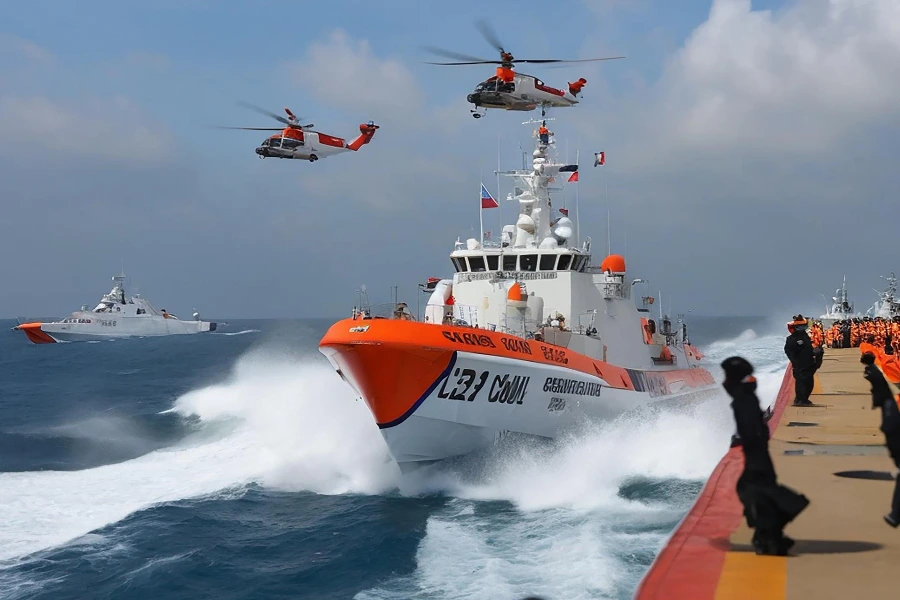
Crewboats
Crewboats transport personnel to offshore platforms. Injuries often happen due to rough seas, equipment malfunctions, or poor safety standards. Our legal team will guide you through your injury claim process.

OSVs (Offshore Support Vessels)
Offshore Support Vessels are vital to offshore operations. Injuries can occur due to poor maintenance or hazardous working conditions. We represent injured workers in seeking compensation for these injuries.

Offshore Supply Vessels
These vessels transport supplies to offshore rigs. Injury risks include equipment accidents, falls, and rough sea conditions. We fight for injured crew members to secure fair compensation.
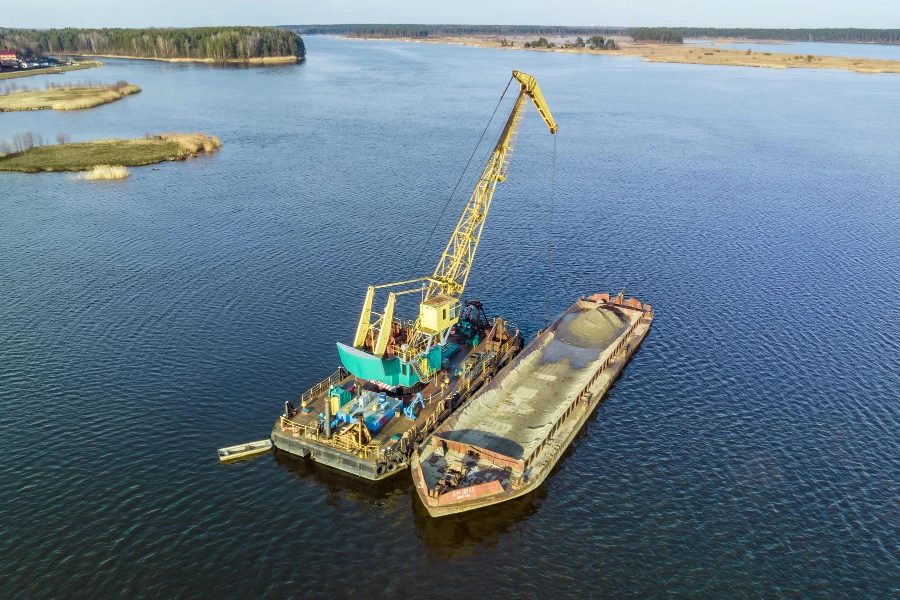
Dredge
Dredging vessels operate in dangerous conditions, with workers facing injuries from falling debris or machinery malfunctions. We offer legal assistance to help you recover compensation for dredge-related accidents.

Dredge Tender
Dredge tenders support dredging operations. Injuries can result from unsafe navigation or improper loading. Our lawyers are ready to help you with your injury claims related to dredge tenders.

Anchor Handling Tug
Handling anchors in rough seas can lead to accidents and injuries. If you’ve been hurt aboard an anchor handling tug, our attorneys will help you seek justice and fair compensation.

Lift Boats
Lift boats are used to transport workers and equipment. Injuries on lift boats may result from lifting operations or falls. Our legal team specializes in lift boat injury claims, ensuring you get the compensation you deserve.

Fracture/Stimulation OSV
Injury risks on Fracture/Stimulation OSVs include high-pressure systems and equipment failure. We help injured workers on these specialized vessels file successful compensation claims.

Utility Vessel
Utility vessels serve offshore platforms, and accidents can happen due to poor maintenance or rough seas. We offer expert legal representation to injured crew members seeking fair compensation.
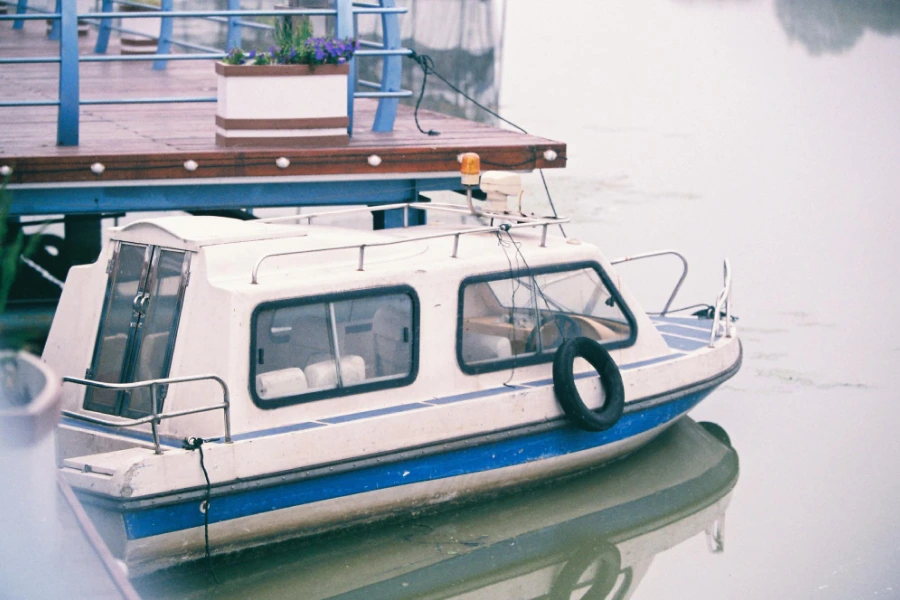
Standby Vessel
Standby vessels are crucial for emergency operations. Injuries during rescues or rough sea conditions are common. Our attorneys are committed to ensuring injured workers on standby vessels are fully compensated.

Merchant Ships
Injuries on merchant ships can result from hazardous conditions, poor crew training, or improper maintenance. If you've been injured aboard a merchant vessel, we’ll fight to protect your rights and pursue compensation.

Harbor Tugs
Harbor tugs operate in busy ports, where accidents can occur during docking or undocking. Our lawyers specialize in harbor tug injury cases and work to get you the compensation you deserve.
associates