
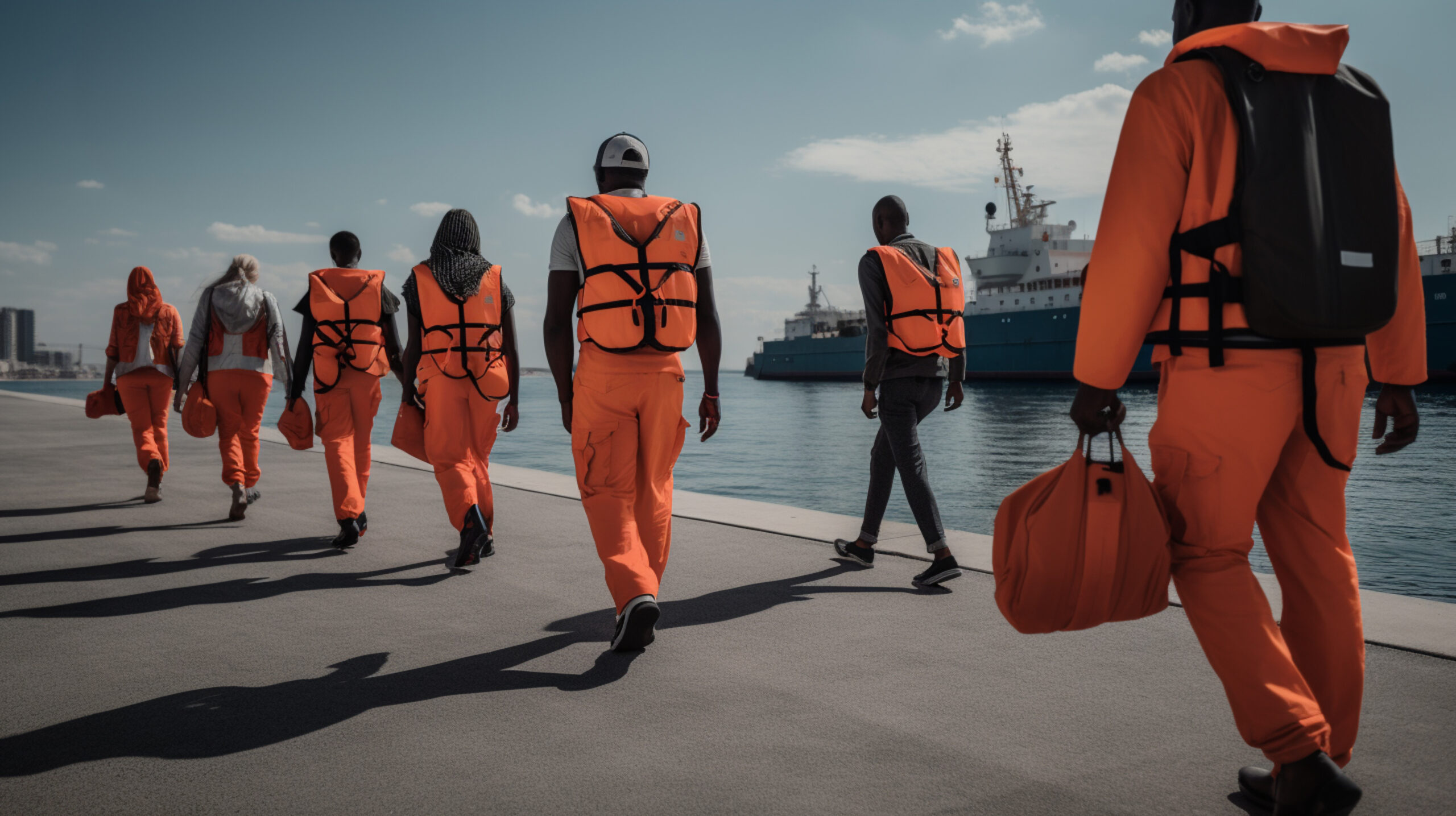
Working on the water, whether in the bustling Port of Mobile, the shipyards of Bayou La Batre, or the demanding environment of the Gulf of Mexico, requires a commitment to safety. Maritime workers are trained to identify risks and follow protocols. But what happens when the risk comes not from a sudden storm, but from the vessel owner or employer cutting corners? A seaman might spot faulty safety equipment, notice a crew working dangerously long hours, or be ordered to overlook an environmental violation. At that moment, they face a difficult choice: speak up and risk their job or stay silent and endanger everyone on board.
For maritime workers in Alabama and across the nation, federal law provides an answer. You do not have to choose between your safety and your livelihood. Specific legal protections are in place for whistleblowers who report unsafe or unlawful conditions in the maritime industry. These laws are designed to shield you from retaliation and to hold employers accountable for maintaining safe working environments.
What Is a Maritime Whistleblower?
A maritime whistleblower is a seaman or other maritime employee who reports an activity they reasonably believe to be a violation of a maritime safety law or regulation. The report does not have to be proven true for the protections to apply; the key is that the worker had a good-faith belief that a violation occurred.
This act of “blowing the whistle” can take several forms:
- Internal Reporting: Alerting a supervisor, the vessel’s master, or a company safety officer about a hazardous condition.
- External Reporting: Filing a formal complaint with the U.S. Coast Guard or another federal agency like the Occupational Safety and Health Administration (OSHA).
- Cooperation: Providing information or testifying in an official investigation or legal proceeding related to maritime safety.
- Refusal to Work: Refusing to operate a vessel or perform a duty when the worker has a reasonable fear of serious injury to themselves, the crew, or the public due to unsafe conditions.
The law protects these actions to encourage a culture of safety and compliance, recognizing that the crew on board are the first line of defense against potential disasters.
The Seaman’s Protection Act (SPA): Your Core Shield Against Retaliation
The primary law protecting seamen who report safety violations is the Seaman’s Protection Act (SPA), found in Title 46 Section 2114 of the U.S. Code. This powerful federal statute makes it illegal for an employer to retaliate against a seaman for reporting a violation of maritime safety laws or regulations to the U.S. Coast Guard or other federal agencies.
The SPA is direct and clear. It prohibits employers from discharging or in any other manner discriminating against a seaman because they have:
- Reported or are about to report a violation to the Coast Guard.
- Testified in a proceeding related to a maritime safety violation.
- Refused to perform duties ordered by the employer because they had a reasonable apprehension of serious injury, and the vessel’s condition was unsafe.
This law applies to a wide range of vessels and maritime operations, providing a foundational layer of security for seamen who prioritize safety.
What Types of Unsafe Conditions Does the SPA Cover?
The protections under the Seaman’s Protection Act are broad and cover reports about any violation of federal maritime safety laws and regulations. These are not minor infractions but often serious hazards that could lead to injury, death, or environmental damage.
Examples of reportable unsafe conditions include:
- Equipment Failures: Malfunctioning navigation systems, broken winches, faulty life-saving appliances (lifeboats, rafts, PFDs), or inoperable fire-fighting equipment.
- Inadequate Manning: Operating a vessel with fewer crew members than required by the vessel’s Certificate of Inspection, leading to fatigue and an inability to respond to emergencies.
- Excessive Work Hours: Violations of federal hours-of-service regulations, which are designed to prevent crew fatigue—a leading cause of maritime accidents.
- Lack of Training or Drills: Failure to conduct required safety drills (fire drills, man overboard drills) or to ensure the crew is properly trained to handle emergencies.
- Structural Unseaworthiness: Issues like a compromised hull, faulty wiring that poses a fire risk, or poor ventilation in confined spaces.
- Environmental Violations: Reporting the illegal discharge of oil, garbage, or other pollutants in violation of MARPOL or other environmental laws.
- Blocked Escape Routes: Obstructions in passageways or to emergency exits that would impede evacuation.
Any good-faith report of these or similar issues to the Coast Guard can trigger the protections of the SPA.
What Actions Qualify as Illegal Retaliation?
Retaliation is more than just being fired. The SPA prohibits any form of discrimination or adverse employment action taken against a seaman for their protected activity. The goal of the employer is often to punish the whistleblower and intimidate others from speaking up.
Common forms of illegal retaliation include:
- Wrongful Termination: Firing a seaman shortly after they report a safety concern.
- Demotion: Reassigning a worker to a lower-paying or less desirable position.
- Reduction in Pay or Hours: Cutting a seaman’s wages, overtime, or scheduled work.
- Blacklisting: Creating a “blackball” list or giving negative references that prevent the seaman from finding work with other maritime companies.
- Harassment or Intimidation: Subjecting the worker to threats, verbal abuse, or a hostile work environment.
- Constructive Discharge: Making working conditions so intolerable that the seaman has no choice but to resign.
- Unwarranted Disciplinary Actions: Writing up a seaman for fabricated infractions or applying company rules unfairly.
If an employer takes any of these actions and the seaman’s protected activity was a contributing factor, it may be considered illegal retaliation.
Other Federal Laws That Protect Maritime Whistleblowers
While the SPA is specific to seamen, other federal laws may also offer protection, particularly for maritime workers who may not qualify as “seamen” under the Jones Act, such as those working in shipyards or on docks.
- The Occupational Safety and Health Act (OSH Act): The OSH Act has its own whistleblower provision (Section 11(c)) that protects most private-sector employees from retaliation for reporting workplace safety and health concerns. For maritime workers, OSHA’s jurisdiction often covers shipyard employment and longshoring operations.
- Environmental Statutes: Numerous environmental laws, such as the Clean Water Act and the Act to Prevent Pollution from Ships (APPS), contain whistleblower provisions. These protect employees who report illegal dumping or pollution, which is a significant concern in the maritime industry.
An experienced maritime attorney can determine which statutes apply to your specific situation, as the reporting procedures and deadlines can vary between agencies.
Steps to Take if You Suspect Retaliation
If you have reported a safety violation and believe you are facing retaliation from your employer, acting methodically is important to protect your rights.
- Document Everything: Keep a detailed, private log of all events. Write down the specifics of the safety condition you reported—what it was, when you saw it, and who you reported it to. Document every instance of suspected retaliation, including dates, times, locations, what was said, and who was present.
- Preserve Evidence: Save any emails, text messages, performance reviews (especially if they suddenly turned negative), or other documents that could support your claim. If there were witnesses to the harassment or retaliation, note their names and contact information.
- Do Not Delay: Whistleblower laws have strict deadlines for filing a complaint. For the Seaman’s Protection Act, the complaint must be filed with the Department of Labor (delegated to OSHA) in a timely manner. Waiting too long can result in your claim being permanently barred.
- Consult a Knowledgeable Maritime Attorney: Before you file a formal complaint, it is highly advisable to speak with an attorney who focuses on maritime law. These cases are complex. Your employer and their insurance company will have legal teams working to deny your claim. An attorney can help you navigate the process, ensure your complaint is filed correctly, and build the strongest possible case for you.
What Compensation Can a Whistleblower Recover?
The remedies available under the SPA and other whistleblower statutes are designed to make the wronged employee “whole” again and to deter future illegal conduct by the employer. If your claim is successful, you may be entitled to recover:
- Reinstatement: An order for the company to give you your job back.
- Back Pay: Compensation for all the wages, overtime, and benefits you lost from the time of the illegal action until the case is resolved, with interest.
- Compensatory Damages: Payment for emotional distress, pain and suffering, and damage to your professional reputation.
- Punitive Damages: In some cases, punitive damages may be awarded to punish the employer for egregious conduct and to deter similar actions in the future.
- Attorney’s Fees and Costs: An order for the employer to pay for your legal fees and the costs associated with bringing the claim.
These remedies provide a powerful financial incentive for maritime employers to follow the law and protect those who report safety issues.
Protecting Those Who Protect Us All
Whistleblowers are vital for maritime safety. Their reports can prevent accidents, saving lives and protecting Alabama’s coast. Employer retaliation is illegal and creates a dangerous culture. Proving retaliation requires expertise in federal maritime law, investigation, and employer defense tactics. The dedicated maritime lawyers at Fuquay Law Firm are committed to standing with seamen who have been punished for upholding safety standards. We can help you gather the necessary evidence, file your claim with the correct agency, and fight for the full compensation you deserve.
If you have been fired, demoted, or otherwise discriminated against for reporting a safety violation, do not wait. Contact us at (251) 473-4443 today for a confidential, no-obligation consultation to discuss your situation and learn how we can defend your rights.
Frequently Asked Questions (FAQs)
What is the Seaman’s Protection Act?
The Seaman’s Protection Act (SPA) is a federal law that makes it illegal for an employer to fire, demote, or otherwise retaliate against a seaman for reporting a maritime safety violation to the U.S. Coast Guard or for refusing to work under unreasonably dangerous conditions.
What kind of actions are considered retaliation against a maritime whistleblower?
Retaliation can include wrongful termination, demotion, pay cuts, blacklisting, harassment, intimidation, or any other adverse action taken against an employee that was motivated by their act of reporting a safety concern.
Do I have to be 100% certain a law was broken to be protected?
No. Whistleblower protections generally apply as long as you had a reasonable, good-faith belief that a safety law or regulation was being violated when you made the report. You are protected even if an investigation later finds no violation occurred.
How long do I have to file a whistleblower claim?
There are strict statutes of limitations. For a claim under the Seaman’s Protection Act, a complaint must be filed with the Department of Labor (OSHA) very promptly after the retaliatory action. It is vital to seek legal advice immediately to ensure you do not miss this critical deadline.
What should I do if my employer fired me for reporting an unsafe condition on my vessel?
You should immediately document everything you can remember about the unsafe condition and the circumstances of your termination. Preserve any relevant documents, texts, or emails, and contact a maritime attorney experienced in whistleblower claims to discuss your legal options.
