
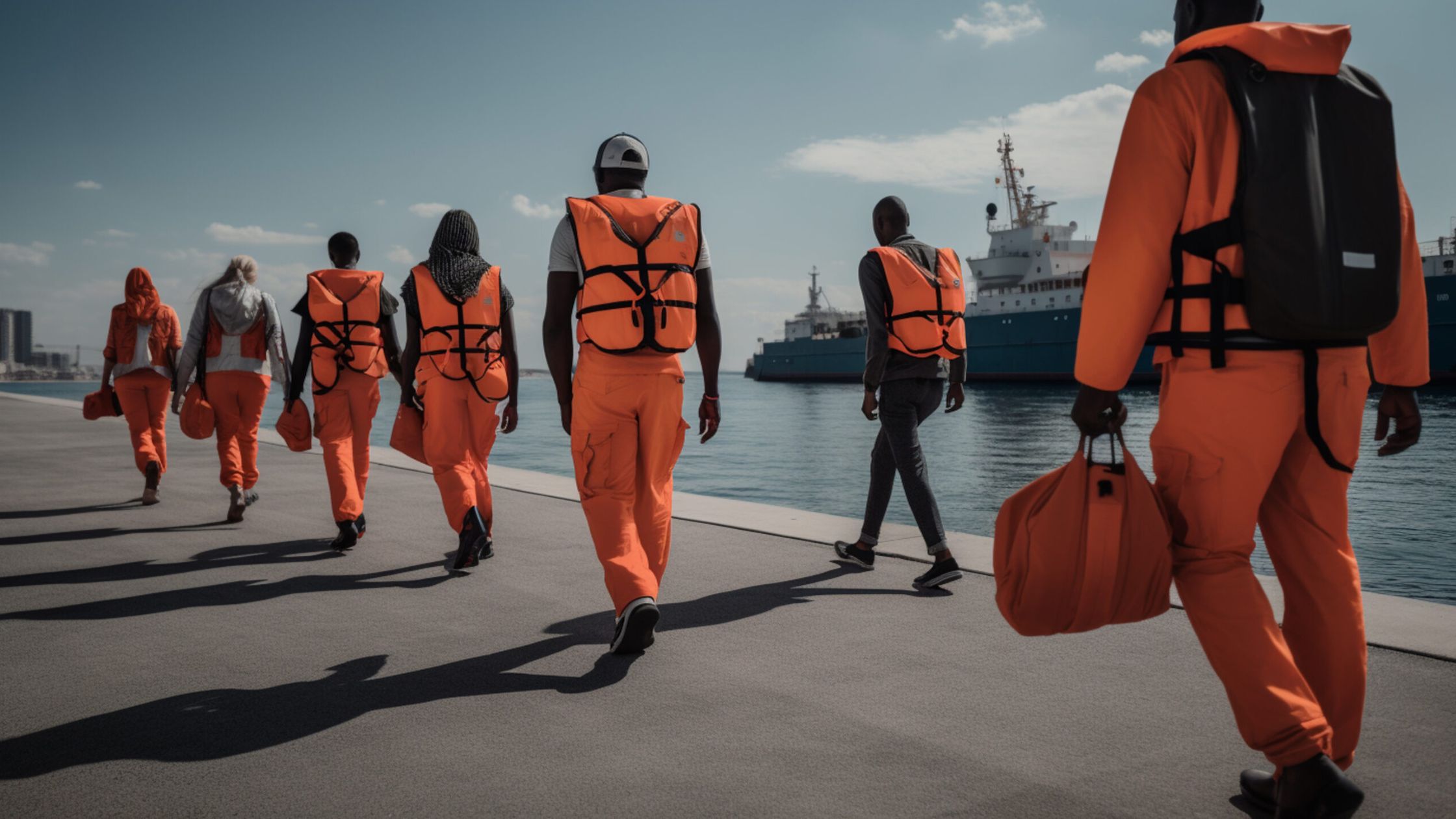
The Port of Mobile is a ceaseless engine of commerce. From the massive container terminals to the bulk handling facilities lining the Mobile River, the movement of heavy cargo never stops. For the seamen and longshoremen who keep this engine running, the risk is constant.
Among the many dangers on a cargo vessel, few are as devastating or immediate as a crush injury. In the span of a heartbeat, a shifting container, a swinging crane load, or a closing hydraulic hatch can alter a worker’s life forever. These are not minor workplace mishaps; they are catastrophic events that often result in permanent disability or the end of a maritime career.
Recovering from such an injury requires more than just medical treatment. It requires a clear path to financial stability and a partner who knows how to navigate the specific federal laws that protect maritime workers.
The Mechanics of Crush Injuries on Cargo Vessels
Cargo vessels are defined by massive weight and powerful machinery. When safety protocols fail, the human body is simply no match for the forces involved. We see specific patterns of negligence that lead to these injuries on vessels in the Gulf of Mexico and our local waterways.
- Container Handling Accidents: The securing and unsecuring of containers (lashing) places workers in narrow aisles between stacks of steel boxes weighing tons. A crane operator’s error or a failure in the twist-locks can cause a container to swing or drop, pinning a worker against the bulkhead or another stack.
- Winch and Line Failures: Mooring operations involve lines under immense tension. If a winch malfunctions or a line parts due to lack of maintenance, the recoil or the equipment itself can crush limbs or torsos against the deck machinery.
- Hydraulic Hatch Covers: The heavy steel covers used on bulk carriers are operated by powerful hydraulic systems. We frequently investigate cases where safety alarms were disabled or communication failed, causing heavy covers to close while crew members were still in the danger zone.
- Moving Machinery in Confined Spaces: Engine rooms and cargo holds are tight environments. When gears, pistons, or conveyor systems are not properly guarded, or when “Lockout/Tagout” procedures are ignored during maintenance, workers can be pulled into pinch points.
The Medical Reality: Why Crush Injuries Are Different
A crush injury is distinct from a simple fracture or impact. The sustained pressure on muscle tissue sets off a biological chain reaction that can be life-threatening even after the weight is removed.
Compartment Syndrome is a major concern in these cases. When a limb is crushed, extreme swelling occurs within the muscle compartments. The pressure builds until it cuts off blood flow to the nerves and muscles. If not treated immediately with emergency surgery (fasciotomy), the tissue dies, often leading to amputation.
Rhabdomyolysis is another severe complication. Crushed muscle releases toxins (myoglobin) into the bloodstream. These toxins can overwhelm the kidneys, causing acute renal failure.
Because these medical complexities are high, settlements and verdicts must account for more than just the initial hospital stay. They must cover long-term rehabilitation, potential dialysis, prosthetic needs, and the permanent loss of physical strength.
Establishing Liability Under the Jones Act
If you are a seaman—a member of the vessel’s crew—your recovery falls under the Jones Act. This federal law is far more favorable to injured workers than standard workers’ compensation, but it requires proving fault.
For Jones Act claims, the burden of proof is “featherweight.” This legal standard means you do not need to prove that your employer was the only cause of your injury, or even the primary cause. You only need to demonstrate that your employer’s negligence played any part, however small, in bringing about the accident.
Examples of negligence that lead to crush injuries include:
- Failure to provide adequate training on heavy machinery.
- Fatigue caused by violating work-hour restrictions.
- Failure to properly communicate crane movements to deck crews.
- Deferring maintenance on braking systems or hydraulic guards.
The Doctrine of Unseaworthiness: A Strict Duty
Independent of negligence, a vessel owner has an absolute duty to provide a vessel that is “seaworthy”. This does not mean the ship must be perfect, but it must be reasonably fit for its intended use.
If an unseaworthy condition caused your crush injury, the vessel owner is liable regardless of whether they knew about the problem. This is a powerful tool for recovery.
- Defective Equipment: If a crane cable snaps because it was old and rusty, the vessel was unseaworthy.
- Inadequate Crew: If a fellow crew member was not trained to operate the winch safely, the vessel was unseaworthy because the crew is considered part of the vessel’s appurtenances.
- Unsafe Procedures: If the standard method of loading cargo on your ship requires you to stand in a “crush zone” without escape routes, the method itself makes the vessel unseaworthy.
Evidence Preservation in Alabama Ports
Proving these claims requires immediate action. The Port of Mobile and shipyards in Bayou La Batre are busy places; evidence disappears quickly. Equipment is repaired, ships sail, and memories fade.
We aggressively move to preserve evidence by:
- Issuing Preservation Letters: We demand the vessel owner halt any repairs to the machinery involved until our inspectors can examine it.
- Securing VDR Data: Voyage Data Recorders act like “black boxes” for ships, recording bridge audio and command data that can reveal communication failures.
- Interviewing Crew: We obtain statements from your shipmates before the company pressures them to change their story.
Compensation for Your Losses
Under maritime law, a crush injury victim is entitled to specific categories of damages. We fight to ensure every aspect of your loss is calculated.
- Maintenance and Cure: These are immediate benefits. “Maintenance” is a daily living allowance, and “Cure” covers your medical bills until you reach maximum medical improvement.
- Lost Wages: This includes not just what you lost while recovering, but your Loss of Future Earning Capacity. If a crushed hand means you can no longer work as an Able Seaman, you are owed the difference in pay for the rest of your career.
- Pain and Suffering: The physical agony of a crush injury and the mental anguish of a permanent disability are compensable.
- Found: “The Eggshell Skull” Doctrine: Even if you had a pre-existing condition that made you more susceptible to injury, the vessel owner is responsible for the full extent of the damage caused by the accident.
Strategic Considerations for Alabama Cases
Maritime injury claims in our region are often filed in the U.S. District Court for the Southern District of Alabama in Mobile. The judges here are well-versed in maritime statutes.
However, defense lawyers for shipping companies will try to use the “Comparative Fault” rule against you. They may argue that you shouldn’t have been standing in that location or that you should have moved faster.
We counter this by showing the reality of the work environment. If you were following orders, or if fatigue from long shifts slowed your reaction time, the blame shifts back to the employer. Under the Jones Act, even if you are partially at fault, you can still recover a portion of your damages.
Why Action Matters
The statute of limitations for maritime claims is generally three years, but waiting is rarely in your best interest. The investigation needs to start while the vessel is still accessible and the evidence is fresh. Crush injuries are complex, high-stakes cases. They require a legal team that understands the difference between a container twist-lock and a lashing rod, and one that works with medical experts to fully value the long-term impact of your injury.
At Fuquay Law Firm, we are dedicated to protecting the men and women who work our waters. We know the industry, we know the law, and we know how to fight for the future you deserve. Call us today at (251) 473-4443 for a confidential consultation. Let us handle the legal battle so you can focus on your recovery.
Frequently Asked Questions (FAQs)
What should I do immediately after a crush injury on a ship?
Report the injury to your supervisor immediately and ensure an accident report is filed. Seek emergency medical attention and be specific about how the injury occurred. Do not sign any settlement forms or give a recorded statement to insurance adjusters until you have spoken with an attorney13131313.
Does the Jones Act cover all cargo vessel workers?
The Jones Act covers “seamen”—crew members who contribute to the vessel’s function. If you are a longshoreman or harbor worker who is not part of the crew, your claim likely falls under the Longshore and Harbor Workers’ Compensation Act (LHWCA), which has different rules and benefits. We can help determine your status.
Who pays for my surgery and rehabilitation?
Under the doctrine of “Cure,” your employer is legally required to pay for all reasonable medical treatment related to your injury until you reach Maximum Medical Improvement. This includes surgeries, physical therapy, and medications14.
Can I sue if the accident was caused by a defective crane?
Yes. If a piece of equipment failed, you may have a claim for unseaworthiness against the vessel owner. Additionally, if the crane was manufactured with a defect, there may be a third-party product liability claim against the manufacturer.
How is “pain and suffering” calculated in maritime cases?
There is no fixed chart. It is determined by the severity of the injury, the duration of recovery, and the impact on your quality of life. We use medical experts and testimony to paint a full picture of how the injury has affected you physically and emotionally.
