
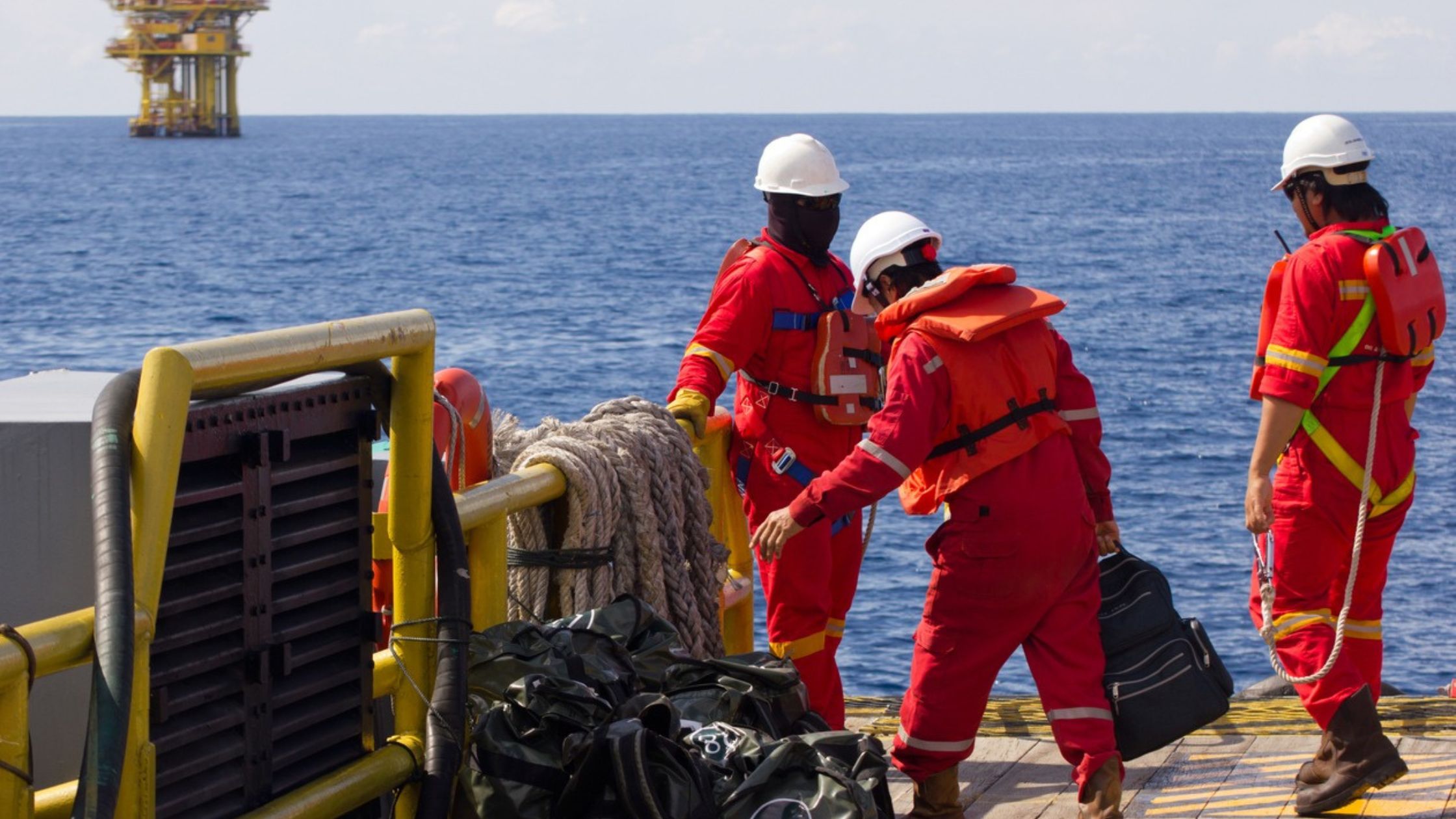
Working offshore in the Gulf of Mexico can be rewarding, but it also comes with serious risks. Offshore employees face hazardous environments every day, from heavy machinery and rough weather conditions to long shifts and complex equipment. When an accident happens, knowing what to do after an offshore injury can make a significant difference in protecting your health, your job, and your legal rights.
Many offshore workers are unsure about the correct offshore accident steps after an incident. The moments following an injury can be confusing, stressful, and even overwhelming. However, taking the right actions early can help ensure you receive proper medical care and the compensation you deserve.
Below, we will explain the essential steps you should take after an offshore accident in the Gulf of Mexico and how experienced legal support from Fuquaylaw Firm can help protect your rights.
Understanding Offshore Work Injuries
Offshore work environments, such as oil rigs, drilling platforms, and supply vessels, involve physically demanding tasks and potentially dangerous equipment. Workers are often far from immediate medical assistance, which makes injuries even more complicated.
Common offshore injuries include:
- Slip and fall accidents on wet or unstable surfaces
- Equipment malfunctions or machinery accidents
- Explosions and fires
- Falling objects
- Chemical exposure
- Lifting injuries or repetitive strain
- Transportation accidents involving helicopters or vessels
In severe situations, offshore accidents can even result in fatalities, which may lead to legal claims related to Wrongful death. Because of the high risks involved in offshore work, it is essential to understand your legal protections and the immediate actions you should take after an accident.
Step 1: Prioritize Immediate Medical Attention
The very first step after any offshore injury is to seek medical care. Even if the injury appears minor at first, it is important to get evaluated by a medical professional as soon as possible.
Some injuries, such as head trauma, internal bleeding, or spinal damage, may not show symptoms right away. Early diagnosis ensures proper treatment and creates medical documentation that may later support your claim.
If you are still offshore, report the injury to the medical personnel on the platform or vessel. If necessary, request evacuation to the nearest medical facility. Never delay treatment because you believe the injury is not serious.
Medical documentation will also play an important role if you pursue a legal claim under maritime laws.
Step 2: Report the Accident Immediately
Once you have addressed your medical needs, the next crucial step is reporting the accident to your supervisor or employer. Most offshore companies have procedures for reporting workplace incidents.
Provide a clear and accurate description of what happened. Avoid speculation or accepting blame for the accident. Simply explain the facts surrounding the incident.
Reporting the accident quickly helps create an official record of the injury. This documentation is often required if you later file a claim related to a workplace injury or Personal injury case.
Failure to report the accident promptly may allow insurance companies or employers to question the legitimacy of your claim.
Step 3: Document the Accident Scene
If your condition allows it, try to document the accident scene as thoroughly as possible. Offshore accidents often occur in environments where evidence can quickly disappear due to ongoing operations.
Important documentation may include:
- Photos of the accident location
- Images of defective equipment or unsafe conditions
- Witness names and contact information
- Incident reports
- Personal notes describing what happened
These records may later become essential evidence in proving negligence or unsafe working conditions.
In some cases, accidents occur because employers failed to maintain safe equipment or follow proper safety procedures. Having detailed documentation can strengthen your claim significantly.
Step 4: Avoid Signing Documents Without Legal Advice
After an offshore accident, employers or insurance representatives may ask you to sign statements, accident reports, or settlement agreements.
While some paperwork may seem routine, certain documents can limit your legal rights or reduce the compensation you may receive. Never sign any legal or insurance documents without understanding their implications.
Insurance companies often attempt to minimize payouts by encouraging injured workers to accept early settlements. However, these offers may not fully cover long-term medical expenses, lost wages, or rehabilitation.
Consulting a legal professional before signing anything can protect your interests.
Step 5: Understand Your Offshore Worker Rights
Offshore workers are typically protected under specific maritime laws rather than traditional workers’ compensation systems. These laws include the Jones Act and other maritime regulations that allow injured workers to pursue compensation if negligence contributed to their injury.
Under maritime law, injured offshore workers may be entitled to compensation for:
- Medical treatment and rehabilitation
- Lost wages and reduced earning capacity
- Pain and suffering
- Long-term disability
- Future medical care
If the accident resulted from unsafe conditions, defective equipment, or employer negligence, you may have a strong legal claim.
Step 6: Preserve Evidence Related to the Injury
Evidence plays a major role in offshore injury cases. In addition to documenting the accident scene, you should preserve any records related to your injury and recovery.
Examples include:
- Medical records and treatment plans
- Prescription receipts
- Communication with your employer
- Pay stubs showing lost income
- Travel expenses related to treatment
Maintaining a personal injury journal describing your symptoms, pain levels, and recovery progress can also be valuable evidence.
The more detailed your documentation is, the easier it becomes to demonstrate the full impact of the accident on your life.
Step 7: Speak With an Offshore Injury Attorney
Offshore injury cases are often complex because they involve maritime laws, multiple companies, and specialized safety regulations.
Working with an experienced attorney can help you understand the best offshore accident steps for your situation. A legal professional can also investigate the accident, gather evidence, and negotiate with insurance companies on your behalf.
The team at Fuquaylaw Firm has experience handling cases involving offshore injuries and maritime accidents. Their legal guidance can help ensure that injured workers receive fair compensation and proper representation.
Step 8: Follow Your Medical Treatment Plan
Recovery after an offshore injury may take weeks, months, or even longer depending on the severity of the accident.
Following your doctor’s treatment plan is essential for both your health and your legal claim. This includes:
- Attending follow-up appointments
- Taking prescribed medications
- Participating in physical therapy
- Avoiding activities that could worsen the injury
If you skip treatments or ignore medical advice, insurance companies may argue that your injury is not serious or that you contributed to your condition.
Consistent medical care strengthens your case and helps ensure a full recovery.
Step 9: Be Careful With Statements About the Accident
In the days following an offshore injury, you may receive calls from insurance adjusters or company representatives asking for statements about the accident.
It is important to be cautious when discussing your case. Avoid giving recorded statements or detailed explanations without legal guidance.
Insurance companies may attempt to use your words against you to reduce their liability. Even casual comments on social media about your accident or recovery could potentially affect your claim.
Limiting public discussions about your case helps protect your legal rights.
Step 10: Consider the Long-Term Impact of the Injury
Offshore injuries can have long-lasting consequences. Some workers face permanent disabilities, chronic pain, or the inability to return to offshore employment.
When evaluating your legal options, it is important to consider the full impact of the injury, including:
- Future medical expenses
- Reduced earning capacity
- Emotional stress and trauma
- Lifestyle changes
Serious accidents may also involve other types of workplace incidents, such as transportation accidents related to offshore travel or even cases involving Railway road injury during job-related transportation.
A thorough legal evaluation can help ensure that all potential damages are considered before accepting any settlement.
Common Causes of Offshore Accidents
Understanding the causes of offshore accidents can help workers recognize unsafe conditions and prevent future injuries.
Some of the most common causes include:
- Equipment failure or poor maintenance
- Lack of safety training
- Inadequate supervision
- Unsafe working conditions
- Slippery or unstable surfaces
- Fatigue from long shifts
- Communication failures between crew members
Employers are responsible for providing a safe working environment. When they fail to meet safety standards, workers may have the right to pursue legal action.
Why Offshore Injury Cases Are Complex
Offshore injury cases often involve multiple parties, including:
- Offshore platform operators
- Equipment manufacturers
- Subcontractors
- Vessel operators
Determining liability can require detailed investigations and expert analysis.
Additionally, maritime laws differ significantly from traditional workplace injury laws. These legal differences make it important for injured workers to seek guidance from professionals who understand offshore injury claims.
Protecting Your Future After an Offshore Injury
An offshore accident can disrupt every aspect of your life, from your physical health to your financial stability. Acting quickly and taking the correct offshore accident steps can help protect both your recovery and your legal rights.
From seeking medical care and documenting the accident to consulting with an attorney, every step you take after an injury matters.
If you or a loved one has been injured while working offshore in the Gulf of Mexico, it is important to explore your legal options. The experienced team at Fuquaylaw Firm is committed to helping injured workers understand their rights and pursue fair compensation.
For guidance on what to do after an offshore injury, you can reach out to their legal team for assistance. Visit their website or Contact us to learn more about how they can help you move forward after an offshore accident.
Frequently Asked Questions (FAQs)
- What should I do immediately after an offshore injury?
The first step after an offshore accident is to seek medical attention right away. Even if the injury seems minor, it is important to be evaluated by a medical professional. After receiving treatment, report the accident to your supervisor and document the details of the incident if possible. These early actions are critical when determining what to do after offshore injury and protecting your legal rights. - Do I need to report an offshore accident to my employer?
Yes, you should report the accident to your employer as soon as possible. Reporting the incident creates an official record of what happened and helps ensure that the injury is documented properly. Failing to report an injury quickly could make it harder to pursue a claim later. - What compensation can offshore workers receive after an accident?
Injured offshore workers may be entitled to several types of compensation depending on the circumstances of the accident. This may include medical expenses, lost wages, rehabilitation costs, and compensation for pain and suffering. Maritime laws may allow workers to pursue claims if negligence played a role in the accident. - What are the most important offshore accident steps to follow?
The most important offshore accident steps include seeking medical care, reporting the injury, documenting the accident scene, preserving evidence, and consulting with a qualified attorney. Taking these steps helps protect both your health and your legal rights. - Can I file a claim if unsafe conditions caused my injury?
Yes, if unsafe working conditions, defective equipment, or employer negligence contributed to the accident, you may have the right to pursue a legal claim. Offshore employers have a responsibility to maintain a safe work environment for their employees. - Should I speak with an attorney after an offshore injury?
Yes, speaking with an attorney can help you understand your legal options and the steps involved in pursuing compensation. Offshore injury cases often involve complex maritime laws, so legal guidance can help ensure your rights are fully protected. - What if an offshore accident leads to a fatality?
If an offshore accident results in a fatality, the victim’s family may be able to pursue a claim related to wrongful death. These claims can help families recover financial support and hold responsible parties accountable. - How long do I have to take legal action after an offshore injury?
The time limit for filing a claim depends on the laws that apply to your case. Because deadlines can vary, it is important to speak with a legal professional as soon as possible after the accident to avoid missing any important filing deadlines.
